Journal · Skin Concerns
3 Signs Slugging Is Wrong for Your Skin Type
Three warning signs slugging is wrong for your skin type, plus lightweight humectant-first alternatives that may support your barrier without clogging

Maria Otworowska, PhD, Co-founder of Skin Bliss
· 6 min read
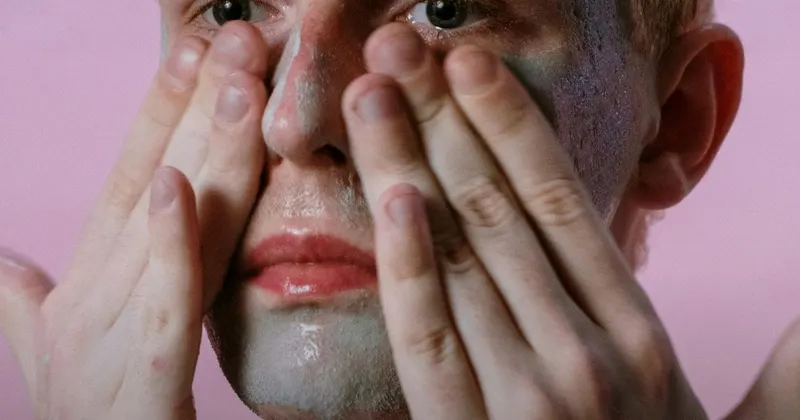
Slugging went viral as the secret to "glass skin." The idea is simple: coat your face in petroleum jelly or a thick balm at night and wake up glowing. But if you have oily, combination, or rosacea-prone skin, that heavy occlusive layer can trap sebum, bacteria, and heat against your skin, leaving you with more breakouts, congestion, and redness than you started with.
The trend gets marketed as something everyone should try. Your skin type says otherwise.
Key Takeaways
Slugging can trap sebum, bacteria, and heat against your skin, worsening congestion and redness.Three warning signs tell you your routine is too occlusive.Oily, combination, and rosacea-prone skin types tend to react badly to heavy occlusives.Lightweight humectant-first alternatives protect your barrier without suffocating it.
What Does Slugging Actually Do to Your Skin?
Petroleum jelly and dense botanical butters form a physical seal over your skin. Dermatologists call this occlusion. It prevents transepidermal water loss (TEWL) by trapping moisture underneath 1.
For dry or eczema-prone skin, that can be genuinely helpful. But the seal traps everything, not just moisture.
If your skin runs oily or reactive, you're also locking in sebum and bacteria. Heavy occlusives act as thermal insulators, too. Your skin can't release heat normally through that dense layer, so the trapped warmth may widen blood vessels. Dermatologists call this vasodilation. For rosacea-prone skin, it can trigger flushing and worsen redness 2. For oily skin, backed-up sebum may disrupt normal oil production and cause localized congestion.
What Are the 3 Signs Your Routine Is Too Heavy?
Not sure if your moisturizer is helping or creating problems? Watch for these three patterns.
1. Breakouts show up where you apply the most product. If new blemishes appear specifically in the areas getting the heaviest cream, and not randomly across your face, that product may be blocking normal sebum clearance. Your skin produces oil continuously. A heavy occlusive can prevent it from reaching the surface, so it backs up beneath the seal 3.
2. Your skin feels hot or "suffocated" after applying moisturizer. Tightness or warmth right after application is not a sign the ingredients are working. That sensation is trapped heat. Healthy skin needs to regulate its own temperature. If your moisturizer makes your face feel flushed, the formula is too occlusive for you.
3. Your serums stopped working. Heavy occlusives, especially petroleum-based ones, create a hydrophobic film. That film can physically block water-soluble actives from reaching deeper skin layers. Your vitamin C or niacinamide serum might be sitting on top of your cream, doing nothing 4.
If one or more of these sounds familiar, the Skin Bliss Routine Evaluator can help you figure out whether your current products are too heavy for your skin type and goals.
Does Skin Type Determine Whether Slugging Works?
Yes. And this is the part the trend skips.
Most skin types do not need a heavy industrial seal to stay healthy.
| Skin Type | Typical Response to Slugging | Better Alternative |
|---|---|---|
| Oily | May increase congestion and breakouts | Lightweight gel-cream with a humectant serum |
| Combination | Heavy zones get congested, dry zones may benefit | Zone-based approach, lighter on the T-zone |
| Rosacea-prone | May worsen redness, heat, and flushing | Ceramide lotion with gentle humectants |
| Dry / eczema | Often beneficial, barrier needs lipid support | Continue if tolerated well |
| Normal | Usually unnecessary, skin self-regulates | A standard moisturizer is enough |
If you have oily, combination, or rosacea-prone skin, heavy occlusives may actively work against you. The blanket advice to "slug for better skin" ignores that different skin types have fundamentally different barrier needs.
What Should You Use Instead of Heavy Occlusives?
Dropping the heavy balm does not mean giving up moisture protection. It means choosing the right type.
Humectant serums containing glycerin or hyaluronic acid pull water into your skin. That is actual hydration, not just a greasy surface layer. Apply them to damp skin for the best absorption 5.
Gel-cream moisturizers deliver lipids and moisture without the dense, pore-blocking weight of petroleum-based products. Modern formulations provide real barrier support in lightweight textures.
Light emollients like squalane or ceramide-based lotions create a breathable barrier. They help prevent TEWL without trapping heat or blocking your actives from absorbing 6.
A simple test: switch to a lighter moisturizer for two to four weeks. If your congestion clears and your serums start performing again, your previous routine was too heavy.
When Is Slugging Actually the Right Call?
Heavy creams are not bad. They are specialized tools with real clinical uses.
Eczema or chronically dry skin needs maximum lipid protection to compensate for what the barrier cannot produce on its own. Cold, dry climates strip moisture aggressively, and a heavier shield helps maintain skin integrity through winter 7. Post-procedure recovery after a chemical peel or professional treatment calls for a temporary heavy barrier.
If that describes your situation, heavy occlusives are not the trap. They are the treatment. The key word is temporary and targeted, not a nightly default for every skin type.
FAQ
Can I slug just on dry patches instead of my whole face?
Yes. Spot-treating dry areas like around the nose or on the chin while keeping the rest of your face lighter is a solid compromise. You get barrier support where you need it without overloading areas that produce enough oil on their own.
Will my skin "adjust" to slugging if I keep doing it?
If your skin reacts with congestion, heat, or breakouts, that is not an adjustment period. It is a signal the technique does not suit your skin type. Unlike actives that may cause initial purging, occlusive reactions tend to persist or get worse.
Is slugging with squalane the same as slugging with petroleum jelly?
No. Squalane is a lighter emollient that offers some occlusive properties without the heavy, fully sealed barrier that petroleum jelly creates. For oily or reactive skin, squalane-based "slugging" is generally better tolerated, though it is technically a different approach 6.

In your browser
Free Skin Quiz: Understand your skin profile in under 5 minutes
Oily or dry is only the start. Find out what your skin actually needs across six skin dimensions, with a plain note on what each one means for your routine. Results appear in your browser, and you can keep them in the app.

Maria combines her background in AI research with a passion for evidence-based skincare. She built Skin Bliss to help people make informed decisions about their skin, backed by science rather than marketing.
Sources (7)
- Sethi, A. et al. (2016). "Moisturizers: The Slippery Road." *Indian Journal of Dermatology*.
- Two, A.M. et al. (2016). "Rosacea: Skin Barrier and Its Role." *British Journal of Dermatology*.
- Mills, O.H. & Kligman, A.M. (1982). "Comedogenicity of Current Therapeutic Products, Cosmetics, and Ingredients in the Rabbit Ear." *Journal of the Society of Cosmetic Chemists*.
- Rawlings, A.V. & Lombard, K.J. (2012). "A Review on the Extensive Skin Benefits of Mineral Oil." *International Journal of Cosmetic Science*.
- Rawlings, A.V. & Harding, C.R. (2004). "Moisturization and Skin Barrier Function." *Dermatologic Therapy*.
- Huang, Z.R. et al. (2009). "Biological and Pharmacological Activities of Squalene and Related Compounds: Potential Uses in Cosmetic Dermatology." *Molecules*.
- Del Rosso, J.Q. & Levin, J. (2011). "The Clinical Relevance of Maintaining the Functional Integrity of the Stratum Corneum." *Journal of Clinical and Aesthetic Dermatology*.