Journal · Skin Concerns
Azelaic Acid for Sensitive Skin: A Beginner's Guide
Why dermatologists reach for azelaic acid during barrier repair, and how it may calm redness, spots, and sensitivity without stressing fragile skin

Maria Otworowska, PhD, Co-founder of Skin Bliss
· 8 min read
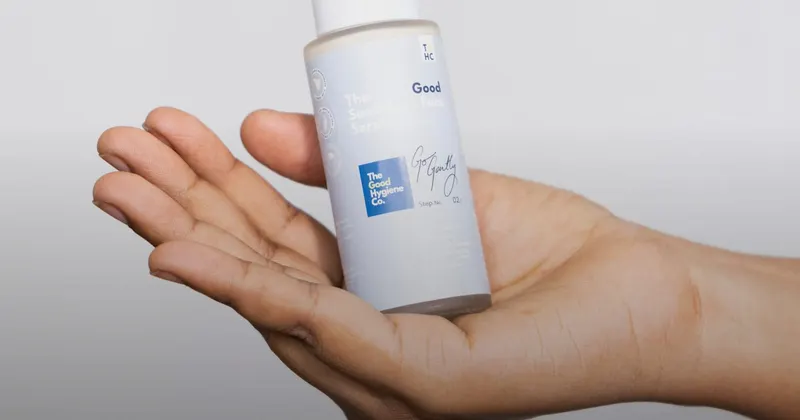
Azelaic acid is a naturally occurring dicarboxylic acid that reduces inflammation, fights bacteria, and gently exfoliates without the irritation profile of glycolic acid or salicylic acid, making it one of the few active ingredients dermatologists recommend using during skin barrier repair rather than pausing entirely.
Most actives get benched when your barrier is compromised. Retinoids, AHAs, BHAs, high-strength vitamin C. They all go on hold because they can worsen the damage. Azelaic acid is the exception. It works with your recovery rather than against it, and it handles multiple skin concerns at once.
Key Takeaways
What is azelaic acid and how does it work on skin?
Azelaic acid is a nine-carbon dicarboxylic acid that your skin bacteria naturally produce in small amounts. In skincare, it is used at concentrations between 10% and 20% for its anti-inflammatory, antimicrobial, and keratolytic properties 1. That triple action is what makes it unusual. Most actives do one thing well. Azelaic acid does three.
The anti-inflammatory mechanism is the most relevant for sensitive skin. Azelaic acid reduces pro-inflammatory cytokines, specifically IL-1 beta and TNF-alpha, which are the signaling molecules that trigger redness, swelling, and that burning sensation you feel when your barrier is damaged 2. It also scavenges reactive oxygen species, which means it helps neutralize the oxidative stress that both causes and results from inflammation.
For exfoliation, azelaic acid works through keratolytic action. It loosens the bonds between dead skin cells, promoting gentle turnover. But here is what matters: it does this without disrupting the deeper lipid structures that hold your barrier together. That is a fundamentally different approach from glycolic acid, which can increase transepidermal water loss at higher concentrations 3.
Why do dermatologists prefer azelaic acid for reactive skin?
The tolerability data tells the story. In clinical trials for rosacea, azelaic acid 15% gel consistently outperformed metronidazole for reducing inflammatory lesions and redness, while side effects were typically mild and transient. Most participants reported brief stinging that resolved within minutes, not the sustained burning that characterizes barrier-damaging products 4.
That tolerability is why azelaic acid occupies a unique position in dermatology. It is one of the few prescription-strength actives that dermatologists continue or even initiate during periods of skin sensitivity. For rosacea patients, who have chronically reactive skin, it is often a first-line treatment rather than something introduced only after the skin "calms down" 5.
A randomized Phase 3 trial found that azelaic acid 15% foam significantly reduced inflammatory lesion counts in papulopustular rosacea compared to vehicle, with most adverse reactions being local and mild 6. That kind of evidence is why this ingredient keeps showing up in treatment guidelines for reactive skin conditions.
Can azelaic acid help with post-inflammatory hyperpigmentation?
Yes, and the mechanism is more sophisticated than simple tyrosinase inhibition. Azelaic acid works through multiple pathways to reduce excess pigmentation. It competitively inhibits tyrosinase, the enzyme that drives melanin production. But it also targets the thioredoxin reductase pathway, which regulates tyrosinase through a feedback loop 7.
Research shows that azelaic acid decreases the expression of both TRP-1 and TRP-2, proteins involved in melanin synthesis. It also selectively affects hyperactive melanocytes while leaving normally functioning ones alone 7. That selectivity is important because it means azelaic acid can fade dark spots without causing the irregular lightening that some depigmenting agents produce.
| Concern | How azelaic acid helps | Typical timeline |
|---|---|---|
| Redness and inflammation | Reduces IL-1 beta and TNF-alpha | 2 to 4 weeks |
| Post-inflammatory dark spots | Inhibits tyrosinase and thioredoxin reductase | 8 to 12 weeks |
| Mild acne | Antimicrobial action against P. acnes | 4 to 8 weeks |
| Rough texture | Gentle keratolytic exfoliation | 3 to 6 weeks |
A 16-week study found that azelaic acid 15% gel significantly reduced both acne lesions and post-inflammatory hyperpigmentation, making it efficient for people dealing with breakouts that leave dark marks behind 8.
How should you introduce azelaic acid during barrier repair?
Timing matters. Do not start azelaic acid in phase 1 or 2 of barrier recovery, when your skin is at its most reactive. Wait until phase 3, typically around week 2, when stinging from your basic moisturizer has stopped and your skin can hold hydration for several hours.
Start with 10% azelaic acid every other evening. Apply it to clean, dry skin before your moisturizer. A small amount covers the entire face. If you experience any stinging beyond a brief tingle that fades within 2 minutes, stop and wait another week before trying again.
After two weeks of every-other-night use without irritation, you can move to nightly application if desired. Some people do well at 10% nightly and never need to increase. Others benefit from moving up to 15% or 20%, which are available by prescription in most countries. Use the Skin Bliss Skin Diary to track how your skin responds at each step so you can make decisions based on data rather than guessing.
Always apply sunscreen the morning after using azelaic acid. While it is less photosensitizing than retinoids or AHAs, any exfoliating active increases your skin's vulnerability to UV damage.
What is the difference between azelaic acid and other acids for sensitive skin?
This is a practical question because "acid" makes people assume they are all equally harsh. They are not. The differences are significant enough to change whether a product helps or hurts your skin.
Glycolic acid (an AHA) works by dissolving the bonds between dead skin cells at the surface. It is effective, but research shows it increases transepidermal water loss at concentrations above 5% and temporarily disrupts barrier function even at lower concentrations during the adjustment period 3. Salicylic acid (a BHA) is oil-soluble, so it penetrates pores and is excellent for acne. But it can be drying on compromised skin.
Azelaic acid works through an entirely different mechanism. Its anti-inflammatory properties actively reduce the irritation that other acids can provoke. It is the only common skincare acid that dermatologists routinely prescribe for rosacea, a condition defined by extreme skin reactivity 5. If your skin cannot tolerate glycolic or salicylic acid right now, azelaic acid is likely the safest active to try first.
Frequently asked questions
Can you use azelaic acid with niacinamide?
Yes, and they complement each other well. Niacinamide supports barrier repair by increasing ceramide production 9, while azelaic acid addresses inflammation and pigmentation. Apply niacinamide first (it is water-based), then azelaic acid, then moisturizer.
Does azelaic acid cause purging?
It can, but it is usually mild and short-lived. Because azelaic acid has keratolytic properties, it may accelerate the turnover of existing clogs. Expect small breakouts in acne-prone areas during the first 2 to 4 weeks. If irritation spreads to areas where you do not normally break out, that is not purging and you should stop.
What percentage of azelaic acid should beginners use?
Start at 10%. This concentration is available over the counter in most markets and provides meaningful anti-inflammatory and brightening benefits with minimal irritation risk. Move to 15% only after your skin has tolerated 10% for at least 4 weeks.
Is azelaic acid safe during pregnancy?
Azelaic acid is FDA Category B, which means animal studies have not shown fetal risk and it is generally considered one of the safer prescription skincare actives during pregnancy. However, always consult your doctor before using any active ingredient while pregnant or nursing.
How long until you see results from azelaic acid?
Anti-inflammatory benefits, like reduced redness, typically show within 2 to 4 weeks. Hyperpigmentation improvement takes longer, usually 8 to 12 weeks of consistent use. Texture improvements from gentle exfoliation are often noticeable by week 6 4.

In your browser
Free Skin Quiz: Understand your skin profile in under 5 minutes
Oily or dry is only the start. Find out what your skin actually needs across six skin dimensions, with a plain note on what each one means for your routine. Results appear in your browser, and you can keep them in the app.
Go deeper on Learn: Sensitive skin →

Maria combines her background in AI research with a passion for evidence-based skincare. She built Skin Bliss to help people make informed decisions about their skin, backed by science rather than marketing.
Sources (9)
- Searle T et al. (2020). "Azelaic acid in dermatological conditions: a comprehensive review." *Journal of Dermatological Treatment*.
- Mastrofrancesco A et al. (2017). "A systematic review to evaluate the efficacy of azelaic acid in the management of acne, rosacea, melasma and skin aging." *Dermatologic Therapy*.
- Fartasch M et al. (1997). "Mode of action of glycolic acid on human stratum corneum." *Archives of Dermatological Research*.
- Thiboutot D et al. (2008). "Azelaic acid 15% gel in the treatment of rosacea." *Cutis*.
- Elewski BE et al. (2003). "Azelaic acid gel in the treatment of rosacea." *Skinmed*.
- Draelos ZD et al. (2015). "A phase 3 randomized, double-blind, vehicle-controlled trial of azelaic acid foam 15% in the treatment of papulopustular rosacea." *Journal of Drugs in Dermatology*.
- Briganti S et al. (2003). "A possible mechanism of action for azelaic acid in the human epidermis." *Pigment Cell Research*.
- Draelos ZD et al. (2011). "Efficacy and safety of azelaic acid gel 15% in the treatment of post-inflammatory hyperpigmentation and acne." *Journal of Drugs in Dermatology*.
- Tanno O et al. (2000). "Nicotinamide increases biosynthesis of ceramides as well as other stratum corneum lipids." *British Journal of Dermatology*.