Journal · Sun Protection & Longevity
What is collagen banking and when should you start?
What collagen banking means, why your skin loses 1% per year from your mid-20s, and how early sunscreen and retinoids may help preserve firmness long-term

Maria Otworowska, PhD, Co-founder of Skin Bliss
· 7 min read
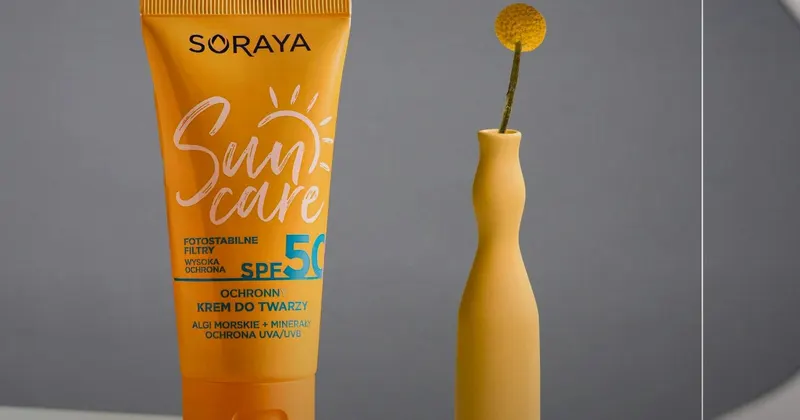
Collagen banking is the practice of proactively stimulating and preserving your skin's collagen production in your 20s and 30s, before visible aging begins, so you have more structural protein to work with as natural decline accelerates later in life. Think of it as a long-term investment in your skin's firmness, bounce, and resilience 1.
Key takeaways
- Your skin loses roughly 1% of its collagen per year starting in your mid-20s, and the decline speeds up after menopause 1
- Collagen banking means starting protective and stimulating habits early, not waiting until wrinkles show up 2
- Sunscreen is the single most effective collagen-preservation tool you own 3
- Retinoids, LED therapy, and vitamin C are the best-studied actives for supporting collagen production 45
- You don't need expensive treatments in your 20s. Consistent basics outperform sporadic splurges
Why does your skin lose collagen with age?
Collagen is the most abundant protein in your skin. It forms a dense mesh in the dermis (the layer beneath what you see in the mirror) that keeps everything firm and plump. Type I collagen makes up about 80% of that mesh, while type III collagen contributes elasticity and flexibility.
Starting in your mid-20s, your fibroblasts (the cells that manufacture collagen) slow down. Research shows this decline is roughly 1% per year in both sun-exposed and protected skin 1. By your 40s, the loss becomes visible as fine lines, less bounce, and thinner skin.
The rate isn't purely genetic. UV exposure, smoking, poor sleep, and high-sugar diets all accelerate the breakdown through different mechanisms 36.
What does collagen banking actually mean in practice?
Collagen banking isn't a single product or procedure. It's a strategy: start using collagen-supporting habits and actives while your production is still strong, so the natural decline has less ground to cover.
The logic is straightforward. If you begin a retinoid at 26 and use it consistently, your skin at 40 will have experienced 14 years of boosted collagen turnover compared to someone who started at 38. You can't reverse time, but you can change the slope of the curve.
This doesn't mean you need an aggressive 12-step routine. The most effective version of collagen banking is actually boring: daily sunscreen, a well-chosen active or two, and habits that don't actively destroy your collagen (more on that in a moment).
Is collagen banking just prevention, or does it build new collagen?
Both. The strategy has two parts that work together.
Protection means reducing collagen destruction. UV radiation triggers matrix metalloproteinases (MMPs), enzymes that literally chop up collagen fibers 3. Wearing SPF 30+ daily and reapplying every two hours is the most impactful thing you can do for your collagen, full stop.
Stimulation means encouraging your fibroblasts to produce more. Retinoids do this by upregulating procollagen gene expression 4. Vitamin C acts as a cofactor that fibroblasts need to assemble collagen properly 5. LED red light therapy boosts cellular energy in fibroblasts, which supports their output 2.
You need both. Stimulating collagen while letting UV destroy it is like filling a bathtub with the drain open.
When is the best age to start collagen banking?
There's no magic birthday, but the evidence points to your mid-20s as an ideal window. That's when collagen production begins its measurable decline 1, so starting protective habits around that time means you're intervening before the deficit grows.
If you're in your 20s, focus on the fundamentals: daily broad-spectrum SPF, a gentle vitamin C serum in the morning, and a low-concentration retinol at night (0.25% to start). That's enough. You can use the Skin Bliss Routine Builder to put together a simple, layered routine that accounts for ingredient compatibility.
If you're in your 30s, the same principles apply. You're not too late. Adding a retinoid now still provides measurable benefits to collagen density over time 4. Consider increasing frequency or stepping up to a stronger retinoid form once your skin has adjusted.
If you're in your 40s or beyond, collagen banking still works. The tools shift more toward professional treatments (microneedling, radiofrequency) alongside topical actives. The goal becomes preserving what you have while actively stimulating new production.
What are the most common collagen banking mistakes?
Skipping sunscreen. Every other collagen-building effort is undermined without UV protection. MMP-1, the enzyme most responsible for collagen damage in photoaged skin, is directly triggered by UV exposure 3. No serum can outrun unprotected sun exposure.
Going too hard, too fast. Starting with a high-strength retinoid and using it every night is a recipe for irritation, not faster results. Damaged, inflamed skin doesn't produce collagen efficiently. Start low, go slow, and give your skin time to adapt. Always patch test on your inner arm first, and wear SPF during the day when using retinoids.
Expecting overnight results. Collagen remodeling is slow. Most clinical trials measure outcomes at 12 weeks minimum 4. If you're three weeks in and disappointed, you haven't given it enough time.
Ignoring lifestyle factors. Chronic stress raises cortisol, which impairs collagen synthesis 6. Poor sleep reduces your skin's repair window. High sugar intake triggers glycation, which cross-links and stiffens collagen fibers 7. Your routine matters, but so does everything outside of it.
FAQ
Can you really "bank" collagen like money?
It's a useful metaphor, not a literal savings account. You can't stockpile collagen in reserve. What you can do is keep your production rate higher and your destruction rate lower, so the net result over years is denser, more resilient skin compared to doing nothing.
Do collagen supplements help with collagen banking?
Oral collagen peptides have shown modest improvements in skin hydration and elasticity in some clinical trials, but the evidence is mixed. They're not a replacement for topical actives and sun protection. Think of them as a potential bonus, not a cornerstone.
Is collagen banking only for women?
No. Men lose collagen with age too, though the timeline differs slightly (men tend to have thicker dermis but lose it more linearly). The same principles of sun protection, retinoids, and lifestyle habits apply regardless of gender.
How do I know if my collagen banking routine is working?
Improved skin texture, better hydration, and maintained firmness over months are the signs. Taking consistent photos in the same lighting helps you spot gradual changes. The Skin Bliss AI Photo Comparison feature can track subtle shifts that are hard to see day to day.

In your browser
Free Skin Quiz: Understand your skin profile in under 5 minutes
Oily or dry is only the start. Find out what your skin actually needs across six skin dimensions, with a plain note on what each one means for your routine. Results appear in your browser, and you can keep them in the app.

Maria combines her background in AI research with a passion for evidence-based skincare. She built Skin Bliss to help people make informed decisions about their skin, backed by science rather than marketing.
Sources (7)
- Varani J, et al. (2006). "Decreased collagen production in chronologically aged skin." *Am J Pathol*.
- Wunsch A, Matuschka K. (2014). "A controlled trial to determine the efficacy of red and near-infrared light treatment in patient satisfaction, reduction of fine lines, wrinkles, skin roughness, and intradermal collagen density increase." *Photomed Laser Surg*.
- Brenneisen P, et al. (2009). "Matrix-degrading metalloproteinases in photoaging." *J Investig Dermatol Symp Proc*.
- Shao Y, et al. (2017). "A comparative study of the effects of retinol and retinoic acid on histological, molecular, and clinical properties of human skin." *J Cosmet Dermatol*.
- Pullar JM, et al. (2017). "The roles of vitamin C in skin health." *Nutrients*.
- Oyetakin-White P, et al. (2015). "Does poor sleep quality affect skin ageing?" *Clin Exp Dermatol*.
- Danby FW. (2010). "Nutrition and aging skin: sugar and glycation." *Clin Dermatol*.