Journal · Skin Concerns
Dry vs Dehydrated Skin: Why Your Heavy Moisturizer Isn't Fixing Either
Dry skin lacks oil, dehydrated skin lacks water, and heavy creams cannot fix both. Learn which one you have and how to actually hydrate skin

Maria Otworowska, PhD, Co-founder of Skin Bliss
· 6 min read
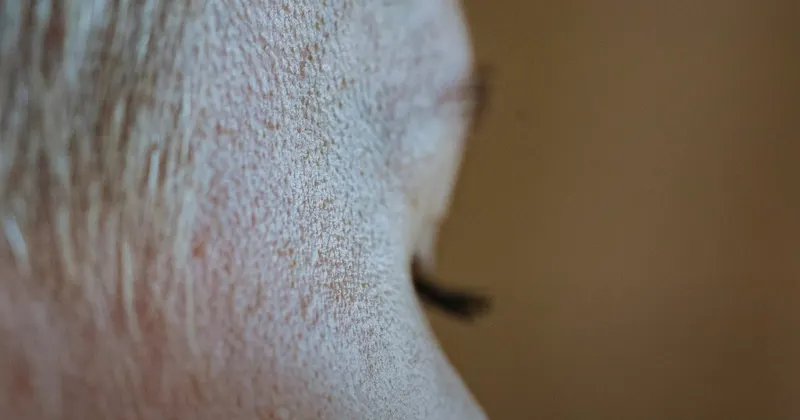
Dry skin and dehydrated skin feel almost identical (tight, flaky, uncomfortable) but they have completely different causes and need completely different solutions, which is why that rich cream you keep layering on may not be helping at all.
Most routines get this wrong. They treat the symptom (tightness) with one blanket fix (heavy moisturizer) without asking what the skin actually needs. Once you understand the difference between dryness and dehydration, you can build a routine that works instead of one that just feels thick.
Key Takeaways
Dry skin lacks oil (lipids). Dehydrated skin lacks water. The treatments are not interchangeable.Heavy occlusives seal your skin's surface, but if there's no water underneath, you're sealing in nothing.Humectants like glycerin and hyaluronic acid pull water into the skin. This is genuine hydration.A heavy cream on dehydrated skin is like putting a lid on an empty pot.Reactive skin types may experience worsened redness and congestion from dense occlusive layers.
How Do You Tell Dry Skin from Dehydrated Skin?
Dryness is a skin type. Your skin underproduces oil (lipids), so it feels rough, flaky, and tight, especially after cleansing. This is a structural issue with your skin's lipid barrier.
Dehydration is a skin condition. It means your skin lacks water, regardless of how much oil it produces. You can have oily skin and still be dehydrated. The telltale signs: fine lines that appear suddenly, skin that looks dull, and a tight feeling that moisturizer only temporarily masks.
Both can make your skin feel tight. Both can cause flaking. But the fix for each is different. Dryness needs lipids, oils and emollients that reinforce your barrier. Dehydration needs water, humectants that attract and hold moisture within your skin 1. Reaching for a thick cream when your skin is dehydrated addresses the wrong problem entirely.
What Are Humectants and Occlusives, and Why Does It Matter?
Two categories of moisturizing ingredients do fundamentally different jobs.
Humectants (glycerin, hyaluronic acid, urea) pull water into your skin. They attract moisture from the environment and from deeper skin layers, delivering genuine hydration to the surface. This is what dehydrated skin actually needs.
Occlusives (petroleum jelly, thick butters like shea and cocoa) create a physical seal over your skin. They prevent what dermatologists call transepidermal water loss, or TEWL 2. They lock existing moisture in place.
The problem is straightforward. If your skin is dehydrated and you skip humectants, going straight to a heavy occlusive, you're sealing in nothing. It's like putting a lid on an empty pot. The seal is airtight, but there's no water inside.
That's the Occlusive Trap, and it's one of the most common reasons heavy moisturizers fail to fix skin that feels chronically tight.
What Do Heavy Creams Actually Do to Reactive Skin?
For people with rosacea-prone or reactive skin, over-occluding goes beyond ineffectiveness.
Petroleum-based jellies and dense botanical butters are strong barriers. But barriers trap everything, not just moisture. Heavy occlusives can act as thermal insulators: your skin can't radiate heat normally, and trapped warmth may widen blood vessels (vasodilation), which can worsen redness and inflammation 3.
These dense layers also trap sebum and bacteria against your skin's surface. The result may be disrupted oil production and localized congestion, breakouts that appear specifically where you apply the heaviest product.
If your skin is reactive, the Skin Bliss Ingredient Compatibility Checker can help you identify whether your current moisturizer contains heavy occlusives that might be contributing to flare-ups. Sometimes swapping a single product makes the difference.
How Do You Know Which One You Have?
A quick comparison to help you figure out what your skin is actually asking for:
| Dry Skin | Dehydrated Skin | |
|---|---|---|
| Type or condition? | Skin type (ongoing) | Condition (temporary) |
| What's missing? | Oil / lipids | Water |
| Key signs | Flaking, roughness, cracking | Dullness, fine lines, tightness |
| Can oily skin have it? | No | Yes |
| Primary fix | Emollients + occlusives | Humectants (glycerin, HA) |
| Heavy cream helps? | Often yes | Usually no. Needs water first. |
If you're unsure, try this: apply a humectant serum (glycerin or hyaluronic acid) under your usual moisturizer for a week. If your skin feels dramatically better, dehydration was the issue, not dryness.
What Should You Do Instead of Layering Heavy Cream?
If dehydration is the problem, the fix starts with getting water into your skin before you seal anything.
Start with a humectant serum. Glycerin and hyaluronic acid are well-tolerated by most skin types and pull water into the upper layers of your skin. Apply these to damp skin for best results.
Follow with a lightweight moisturizer. Gel-cream textures deliver lipids without the weight that suffocates. You still want some barrier protection, just not an industrial seal.
If you have genuinely dry skin (a lipid deficiency), then emollient-rich creams and ceramide formulations are appropriate, paired with humectants underneath. Even dry skin benefits from hydration first, occlusion second.
If you use any actives like retinoids or AHAs, always patch test before introducing new products, and remember to reapply SPF every 2 hours when outdoors.
Expect to notice a difference in skin texture and comfort within 2-4 weeks of adjusting your approach.
FAQ
Can my skin be both dry and dehydrated at the same time?
Yes. Your skin can lack both oil and water simultaneously. In that case, you need both humectants (for water) and emollients/occlusives (for lipids). Layer humectants first, then seal with a richer moisturizer.
Does drinking more water fix dehydrated skin?
General hydration supports overall skin health, but topical dehydration responds best to topical humectants. Drinking water alone is unlikely to resolve skin dehydration. You need ingredients like glycerin or hyaluronic acid applied directly to your skin.
Why does my skin feel tight right after applying moisturizer?
Tightness immediately after application may signal that your moisturizer is too occlusive without enough humectant content. Your skin may be trapping heat rather than absorbing moisture. Try layering a humectant serum underneath, or switch to a lighter formula.
Is petroleum jelly bad for skin?
Petroleum jelly is one of the most effective occlusives available. It reduces transepidermal water loss significantly 2. It's not inherently bad, but it's a specialized tool. For dehydrated skin that needs water, not a seal, it addresses the wrong problem.

In your browser
Free Skin Quiz: Understand your skin profile in under 5 minutes
Oily or dry is only the start. Find out what your skin actually needs across six skin dimensions, with a plain note on what each one means for your routine. Results appear in your browser, and you can keep them in the app.
Go deeper on Learn: Very dry skin →

Maria combines her background in AI research with a passion for evidence-based skincare. She built Skin Bliss to help people make informed decisions about their skin, backed by science rather than marketing.
Sources (3)
- Lodén, M. (2003). "Role of topical emollients and moisturizers in the treatment of dry skin barrier disorders." *American Journal of Clinical Dermatology*.
- Rawlings, A.V. & Harding, C.R. (2004). "Moisturization and skin barrier function." *Dermatologic Therapy*.
- Del Rosso, J.Q. (2005). "Adjunctive skin care in the management of rosacea: cleansers, moisturizers, and photoprotectants." *Cutis*.