Journal · Skin Concerns
Seborrheic Dermatitis on the Face: What Calms It and What Makes It Worse
Seborrheic dermatitis on the face causes red, flaky, oily patches. Learn which ingredients calm it, which trigger flares, and how to build a gentle routine.

Maria Otworowska, PhD, Co-founder of Skin Bliss
· 8 min read
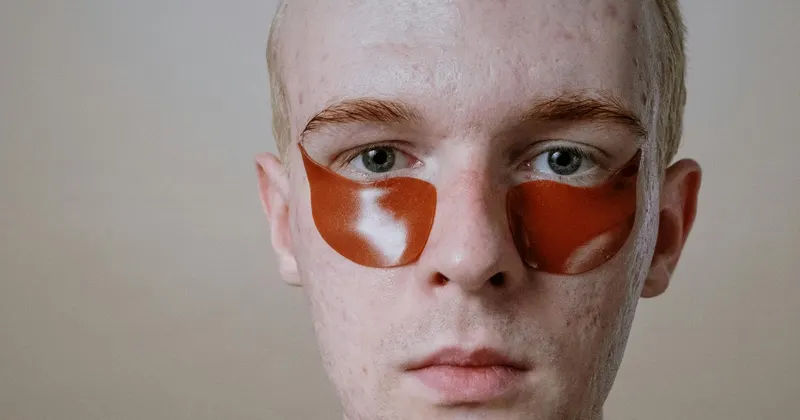
Seborrheic dermatitis on the face causes red, flaky, sometimes greasy patches around the nose, eyebrows, and hairline. It is driven by a combination of Malassezia yeast, disrupted skin barrier, and an overactive immune response. Choosing the right skincare ingredients can make a significant difference in how often flares occur.
This is educational content, not medical advice. If your seborrheic dermatitis is persistent, severe, or spreading, see a dermatologist.
What Is Seborrheic Dermatitis on the Face?
Seborrheic dermatitis (SD) is a chronic inflammatory skin condition that shows up in sebum-rich areas: the sides of the nose, eyebrows, hairline, and folds around the mouth. The rash typically looks red and flaky, and may feel oily, itchy, or slightly rough to the touch.
A 2024 systematic review and meta-analysis published in JAMA Dermatology, which analyzed 121 studies covering over 1.26 million individuals, found a global SD prevalence of 4.38%, with adult prevalence reaching 5.64% 1. In some demographics, particularly adolescent males and older adults, rates can climb considerably higher.
SD tends to be cyclical. Many people have clear stretches followed by flare-ups triggered by stress, cold weather, hormonal shifts, or the wrong skincare products.
Why Does It Keep Coming Back?
SD is not simply a yeast infection you can clear once and forget. Research shows it is multifactorial. Malassezia yeast (particularly M. globosa and M. restricta) is present on most people's skin without causing problems. In SD, something shifts: sebum output, immune reactivity, or barrier function.
A 2019 review in Experimental Dermatology by Wikramanayake TC et al. argues that intrinsic host factors, including altered sebum composition and defective epidermal barrier, may set the stage for Malassezia overgrowth rather than the yeast being the sole cause 2. The immune system then reacts to yeast metabolites, particularly oleic acid and arachidonic acid byproducts, triggering the inflammatory response you see on the surface.
Because multiple factors contribute, treatment and routine management work best when they address both the yeast and the barrier.
What Does the Barrier Have to Do With It?
In people with SD, the skin barrier is measurably different from non-affected skin. A 2023 cross-sectional study in Experimental Dermatology examined 37 patients with mild-to-moderate facial SD. It found that lesional skin showed a perturbed skin barrier with a skewed ceramide subclass composition and impaired chain elongation. Changes in ceramide composition directly correlated with barrier impairment 3.
That skewed ceramide profile means the skin's outermost layer leaks water more easily and lets irritants in more readily. This creates a cycle: an impaired barrier makes the skin more reactive to Malassezia metabolites, and inflammation further degrades the barrier.
What This Means for Skincare
Restoring ceramides and supporting barrier function is not just a comfort measure. The same 2023 study concluded that "restoring the cutaneous barrier might be a valid therapeutic approach in the treatment of facial SD" 3. Gentle, barrier-supporting products complement antifungal actives rather than competing with them.
Which Ingredients Calm Seborrheic Dermatitis?
Several over-the-counter ingredients have clinical support or a strong mechanistic rationale for SD.
Zinc pyrithione: Antifungal and antibacterial. A multicenter randomized trial found zinc pyrithione 1% produced a 67% improvement in total dandruff/SD severity score over 4 weeks 4. Available in face washes and leave-on formulas.
Ketoconazole 2%: Antifungal azole. The same trial found ketoconazole 2% achieved a 73% improvement in severity score, with a significantly lower recurrence rate compared to zinc pyrithione 4. Available as a prescription or OTC wash.
Selenium sulfide: Inhibits Malassezia growth. Used in medicated cleansers.
Niacinamide: Supports barrier function, reduces redness, and has anti-inflammatory properties. Well-tolerated by most skin types.
Ceramides and fatty acid blends (without oleic acid): Replenish what SD-affected skin is depleted in.
Salicylic acid (low concentration, 0.5-1%): Helps loosen scale in flaky areas; use cautiously on inflamed skin.
Which Ingredients and Products Make It Worse?
Malassezia is lipophilic, meaning it metabolizes fatty acids as a food source. Some commonly used skincare ingredients actively feed the yeast or disrupt the barrier further.
| May calm SD | May worsen SD |
|---|---|
| Zinc pyrithione | Heavy occlusives containing C12-C24 fatty acids |
| Ketoconazole | Coconut oil (high in lauric acid, C12) |
| Selenium sulfide | Olive oil (high in oleic acid) |
| Niacinamide | Shea butter (high in oleic acid) |
| Ceramides (non-oleic) | Fragrance and essential oils |
| Salicylic acid (low %) | Harsh sulfate cleansers (strips barrier) |
| Colloidal oatmeal | Alcoholic toners |
| Zinc oxide | Rich emollient balms with mixed oils |
Coconut oil in particular is often recommended for "natural" skin relief, but it is high in lauric acid (C12), a fatty acid Malassezia can readily metabolize. Applying it to seborrheic dermatitis-prone areas can make flares more frequent. Oleic acid (found in olive oil and shea butter) is another Malassezia substrate. The 2019 Wikramanayake et al. review specifically flagged oleic acid as a Malassezia-associated inflammatory trigger 2.
Fragrance and essential oils are a separate concern: they are among the most common contact irritants on seborrheic skin.
What Does a Gentle SD Routine Look Like?
The goal is to reduce Malassezia load, support the barrier, and avoid triggering inflammation.
Step 1 (cleanser): Use a gentle, fragrance-free cleanser. If using a zinc pyrithione or ketoconazole wash, leave it on the affected area for 1-2 minutes before rinsing. Avoid scrubbing.
Step 2 (active): A niacinamide serum (5-10%) helps with redness and barrier support. Azelaic acid (10-20%) is another well-tolerated option with anti-inflammatory and mild antifungal properties.
Step 3 (moisturizer): Use a lightweight, fragrance-free moisturizer with ceramides or squalane. Check the ingredient list: avoid formulas where coconut oil, shea butter, or olive oil appear high in the list.
Step 4 (SPF): Sun exposure can worsen SD. Use a mineral or low-irritation SPF 30+ every morning. Avoid heavily occlusive sunscreen formulas.
When Active Treatments Apply
If over-the-counter approaches are not controlling symptoms within 4-6 weeks, a dermatologist can prescribe stronger antifungals (topical ketoconazole cream, ciclopirox) or short-course low-potency steroids to calm acute flares. Do not use strong corticosteroids on the face long-term.
FAQ
Is seborrheic dermatitis the same as rosacea or eczema?
No, though they can overlap. Rosacea causes flushing and broken capillaries; eczema more often affects the cheeks and folds in a diffuse, intensely itchy pattern. SD tends to cluster around the nose, brows, and hairline and has a distinctly flaky, sometimes greasy scale. A dermatologist can help distinguish them, especially when two conditions co-exist.
Can I use retinoids if I have seborrheic dermatitis?
Retinoids can theoretically help SD by normalizing skin cell turnover, but they also transiently impair the barrier and can cause irritation, which may trigger a flare early in treatment. If you want to use a retinoid, start with the lowest concentration, every third night, and keep the rest of your routine minimal and gentle. Monitor closely for worsening.
Does diet affect seborrheic dermatitis?
The evidence here is limited, but some people with SD report that high-glycaemic foods, alcohol, and dairy worsen their flares. High-glycaemic diets can increase sebum production, which may create a more favourable environment for Malassezia. This is a plausible mechanism, not a proven treatment, so treat dietary changes as a complement to skincare rather than a replacement.
Is seborrheic dermatitis contagious?
No. It is not a contagious infection. The Malassezia yeast involved is a normal part of human skin flora. SD develops because of how an individual's immune system and barrier respond to that yeast, not because of person-to-person transmission.
Will seborrheic dermatitis go away permanently?
For most adults, SD is a chronic condition that requires ongoing management rather than a one-time cure. With the right routine, many people can keep it well-controlled and reduce the frequency and severity of flares substantially. Some people do experience extended remissions.
Use This in Your Routine
Building a routine that manages seborrheic dermatitis without accidentally feeding a flare means checking every product, not just the ones you add for SD. The Skin Bliss Routine Builder lets you put together a full facial routine and flag ingredients that are likely to worsen Malassezia-prone skin, including oils in the C12-C24 range and common irritants. You can also use it to space your actives correctly so niacinamide and any antifungal wash steps do not conflict.
Start building your SD-aware routine at skinbliss.app.

In your browser
Free Skin Quiz: Understand your skin profile in under 5 minutes
Oily or dry is only the start. Find out what your skin actually needs across six skin dimensions, with a plain note on what each one means for your routine. Results appear in your browser, and you can keep them in the app.

Maria combines her background in AI research with a passion for evidence-based skincare. She built Skin Bliss to help people make informed decisions about their skin, backed by science rather than marketing.
Sources (4)
- Polaskey MT, et al. "The Global Prevalence of Seborrheic Dermatitis: A Systematic Review and Meta-Analysis."
- Wikramanayake TC, et al. "Seborrheic dermatitis-Looking beyond Malassezia."
- Rousel J, et al. "Lesional skin of seborrheic dermatitis patients is characterized by skin barrier dysfunction and correlating alterations in the stratum corneum ceramide composition."
- Piérard-Franchimont C, et al. "A multicenter randomized trial of ketoconazole 2% and zinc pyrithione 1% shampoos in severe dandruff and seborrheic dermatitis."