Journal · Ingredients & Science
How to Add Mushroom Skincare to Your Routine (Beginner to Advanced)
How to add mushroom skincare to your routine: which fungi fit hydration, calming, brightening, or firming goals, and how to layer them without overload

Maria Otworowska, PhD, Co-founder of Skin Bliss
· 10 min read
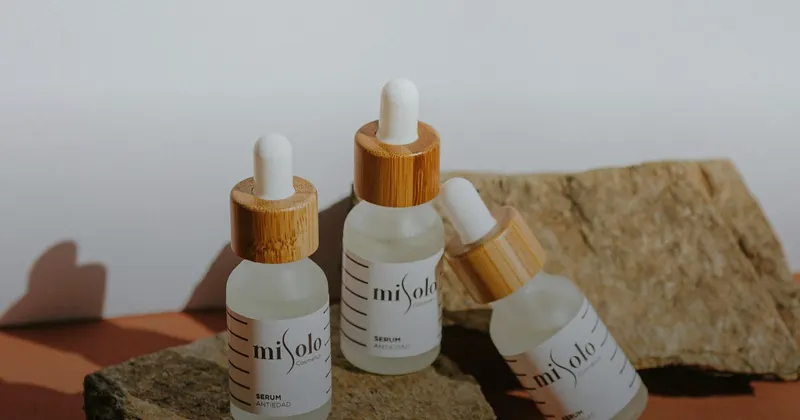
Adding mushroom skincare to your routine means incorporating topical products containing bioactive extracts from medicinal fungi, such as reishi, tremella, shiitake, or cordyceps, into your daily cleanse-treat-moisturize-protect sequence, starting with one product that targets your primary skin concern and expanding gradually based on how your skin responds.
Mushroom skincare sounds more complicated than it is. These ingredients slot into existing routines without requiring a full overhaul. The real question is which mushroom, in what format, and at which step. Get those three things right and you skip the trial-and-error phase that wastes both time and money.
Key Takeaways
What is the best mushroom product to start with?
Pick based on your primary concern, not the trendiest ingredient. If your skin is dry or dehydrated, start with a tremella (snow mushroom) essence. Its polysaccharides provide moisture retention comparable to hyaluronic acid, with a lighter texture that works well under other products 1. If redness or sensitivity is your main issue, go with a reishi serum. Reishi triterpenoids suppress pro-inflammatory cytokines and calm reactive skin 6.
For dark spots or uneven tone, a shiitake-based product leverages the natural kojic acid content that inhibits tyrosinase, the enzyme driving melanin production 3. For aging and firmness, cordyceps supports collagen synthesis and boosts cellular energy production in fibroblasts 4.
You do not need a multi-mushroom product to start. Single-species formulations let you pinpoint exactly what is helping. Multi-mushroom blends are fine too, but they make it harder to attribute results to a specific ingredient if you are trying to build a targeted routine.
Where do mushroom products go in a skincare routine?
Mushroom extracts come in different formats, and the format determines placement. The general rule: thinnest to thickest, water-based before oil-based.
Morning routine order:
- Cleanser
- Toner or mist
- Mushroom essence or serum (this is where most mushroom products land)
- Vitamin C serum (if you use one)
- Moisturizer
- Sunscreen
Evening routine order:
- Cleanser (double cleanse if wearing SPF or makeup)
- Toner
- Mushroom serum
- Retinoid (if you use one)
- Moisturizer or sleeping mask
Mushroom essences are water-thin liquids that go right after toner. Mushroom serums are slightly thicker and follow essences. Mushroom-infused moisturizers go in the moisturizer slot. A mushroom sheet mask is a treatment step that replaces your serum 1 to 2 times per week.
If your routine already includes multiple serums, the Skin Bliss Routine Builder can help you sequence everything correctly so active ingredients are not competing or canceling each other out.
Which actives pair well with mushroom extracts?
Mushroom ingredients play well with almost everything. That is one of their practical advantages over stronger actives that have compatibility restrictions.
| Active | Mushroom pairing | Why it works |
|---|---|---|
| Vitamin C | Shiitake, reishi | Shiitake's kojic acid and vitamin C both target melanin production through different mechanisms, amplifying brightening results 3. Reishi's antioxidant support complements vitamin C's photoprotection |
| Retinoids | Reishi, cordyceps | Reishi's anti-inflammatory properties may help buffer retinoid irritation 6. Cordyceps supports collagen synthesis alongside retinol's cell turnover effects 4 |
| Niacinamide | Reishi, tremella | Niacinamide strengthens the skin barrier and regulates sebum 7. Reishi adds anti-inflammatory action. Tremella adds hydration without heaviness |
| Hyaluronic acid | Tremella | These two humectants work through different mechanisms: HA binds water in deeper layers while tremella forms a surface film 1. Layering both gives superior hydration |
| AHAs/BHAs | Reishi, tremella | Exfoliating acids can temporarily compromise the barrier. Reishi calms any resulting inflammation, and tremella replenishes surface hydration 16 |
| Peptides | Cordyceps | Both target collagen and elastin production. Cordyceps boosts cellular ATP while peptides signal fibroblasts to produce more structural proteins 4 |
One important note about retinoids: if you use tretinoin, adapalene, or retinol, apply your mushroom serum first and let it absorb for a few minutes before layering the retinoid on top. The mushroom extract creates a hydration buffer that may reduce the dryness and flaking that retinoids commonly cause. Always use SPF the morning after retinoid application.
What does a beginner mushroom routine look like?
Keep it simple. One mushroom product, one concern, four to six weeks before evaluating.
Beginner routine (dry/dehydrated skin):
- AM: Gentle cleanser, tremella essence, moisturizer, SPF
- PM: Gentle cleanser, tremella essence, moisturizer
Beginner routine (sensitive/reactive skin):
- AM: Gentle cleanser, reishi serum, barrier cream, SPF
- PM: Gentle cleanser, reishi serum, ceramide moisturizer
Beginner routine (dull skin/dark spots):
- AM: Gentle cleanser, vitamin C serum, moisturizer, SPF
- PM: Gentle cleanser, shiitake serum, moisturizer
Start with evenings only if your skin is very reactive. After two weeks without irritation, add the morning application. Track your skin's response in the Skin Bliss Skin Diary so you have an objective record of changes, not just your memory of how things felt a month ago.
What does an intermediate mushroom routine look like?
Once you have established tolerance with one mushroom product and confirmed it is helping, you can layer in a second species or combine mushroom extracts with stronger actives.
Intermediate routine (anti-aging + hydration):
- AM: Cleanser, tremella essence, vitamin C serum, moisturizer, SPF
- PM: Cleanser, cordyceps serum, retinol (every other night), peptide moisturizer
Intermediate routine (acne-prone + calming):
- AM: Cleanser, niacinamide serum, reishi moisturizer, SPF
- PM: Cleanser, BHA exfoliant (2 to 3 nights/week), reishi serum, light moisturizer
Intermediate routine (brightening + barrier):
- AM: Cleanser, shiitake essence, vitamin C serum, moisturizer, SPF
- PM: Cleanser, tremella serum, AHA toner (2 nights/week), barrier cream
The key principle at this level is intentional layering. Each product should address a specific function. Avoid stacking three serums that all claim to "hydrate and brighten." That is redundancy, not synergy. Use the Skin Bliss Routine Evaluator to check whether your routine has gaps or overlaps before adding another product.
What does an advanced mushroom routine look like?
Advanced routines use seasonal rotation and targeted mushroom treatments alongside prescription-strength actives. This level assumes you already know your skin well and have a stable base routine.
Advanced strategies:
Rotate mushroom species by season. Tremella in winter when humidity drops and skin loses moisture faster. Reishi in summer when UV exposure and heat trigger more inflammation. Cordyceps year-round as a baseline for collagen support. Shiitake in cycles of 8 to 12 weeks when targeting specific hyperpigmentation.
Incorporate fermented mushroom extracts. Fermentation breaks down polysaccharides into smaller fragments that may absorb more readily 8. Fermented reishi or tremella extracts tend to feel lighter and can be more potent per unit of extract than non-fermented versions.
Add mushroom-based sheet masks as weekly treatments. A tremella mask after exfoliating with AHAs can rapidly replenish hydration. A reishi mask after retinoid nights helps calm any residual irritation. These are targeted rescue steps, not daily essentials.
Use the Skin Bliss AI Photo Comparison to track subtle changes over 8 to 12 week cycles. At this level, improvements are incremental and hard to spot with the naked eye. Objective tracking keeps you from abandoning something that is working because the changes are gradual.
What mistakes should you avoid when starting mushroom skincare?
The most common mistake is buying a multi-mushroom product without knowing which species your skin actually needs. A product with five mushroom extracts at low concentrations may do less than a single-species extract at effective concentration. Check ingredient lists for the Latin name (Ganoderma lucidum, Tremella fuciformis, Lentinula edodes, or Cordyceps) near the top of the list, not buried at the bottom.
Second mistake: expecting overnight results. Mushroom extracts are not emergency interventions. Hydration from tremella shows up within days, but anti-inflammatory benefits from reishi take 2 to 4 weeks, and brightening or anti-aging results from shiitake and cordyceps need 6 to 12 weeks. Set realistic timelines.
Third mistake: swapping your entire routine at once. Introduce one mushroom product at a time. If you change three things simultaneously and your skin improves or reacts, you have no idea which product caused it. Patience with introduction is how you build a routine that actually works for you.
Frequently asked questions
Can I use mushroom skincare if I have acne-prone skin?
Yes. Reishi is particularly suited for acne-prone skin because it reduces inflammation without clogging pores 6. Tremella provides oil-free hydration, which is helpful since dehydrated skin can overproduce sebum. Avoid mushroom products formulated with heavy oils or comedogenic bases. Check the full ingredient list, not just the featured mushroom extract.
Do I need to patch test mushroom skincare products?
Yes. Despite their low irritation profile, you should patch-test any new product on your inner forearm for 24 to 48 hours before applying it to your face. This is standard practice for all skincare actives, not a specific concern with mushroom ingredients. If you have a known allergy to edible mushrooms, consult a dermatologist before using topical mushroom extracts.
How do I know if my mushroom skincare product is actually working?
Track specific metrics over time. For hydration (tremella), pay attention to how tight or comfortable your skin feels by mid-afternoon. For calming (reishi), note redness levels after triggers like exercise or hot showers. For brightening (shiitake), photograph the same spots under consistent lighting every two weeks. For firmness (cordyceps), expect changes over 8 to 12 weeks, measured by skin bounce-back or fine line depth.
Are mushroom skincare products safe during pregnancy?
Topical mushroom extracts are generally considered low-risk, but clinical safety data specifically for pregnant individuals is limited. Tremella and reishi are the most conservative choices given their minimal active-ingredient profiles. Avoid products that combine mushroom extracts with retinoids or high-dose salicylic acid during pregnancy. Consult your healthcare provider for personalized guidance.
What is the difference between mushroom extract and mushroom powder in skincare?
Extract is what you want. Mushroom extracts use solvents (water, ethanol, or both) to isolate bioactive compounds like beta-glucans, triterpenoids, and polysaccharides in concentrated form 5. Mushroom powder is ground whole mushroom, which contains these compounds but in lower concentrations diluted by fiber, chitin, and other structural material. Extracts are more potent and better studied for topical application.
In your browser
Free Skin Quiz: Understand your skin profile in under 5 minutes
Oily or dry is only the start. Find out what your skin actually needs across six skin dimensions, with a plain note on what each one means for your routine. Results appear in your browser, and you can keep them in the app.

Maria combines her background in AI research with a passion for evidence-based skincare. She built Skin Bliss to help people make informed decisions about their skin, backed by science rather than marketing.
Sources (8)
- Wen L et al. (2023). "The potential cutaneous benefits of Tremella fuciformis." *Journal of Cosmetic Dermatology*.
- Geng Y et al. (2022). "Comparison of the Anti-Inflammatory and Antioxidant Activities of Mycelial Polysaccharides from Different Strains of Lingzhi or Reishi Medicinal Mushroom." *International Journal of Medicinal Mushrooms*.
- Saeedi M et al. (2019). "Kojic acid applications in cosmetic and pharmaceutical preparations." *Biomedicine & Pharmacotherapy*.
- Kim S et al. (2023). "Nanoencapsulated cordyceps extract enhances collagen synthesis and skin cell regeneration through antioxidation and autophagy." *Scientific Reports*.
- Singh P et al. (2025). "Mushrooms in modern cosmetics: unlocking anti-aging, antioxidant, and therapeutic potential." *Mycologia*.
- Taofiq O et al. (2019). "Preventive and Therapeutic Effect of Ganoderma (Lingzhi) on Skin Diseases and Care." *Advances in Experimental Medicine and Biology*.
- Soma Y et al. (2005). "Nicotinamide increases biosynthesis of ceramides as well as other stratum corneum lipids to improve the epidermal permeability barrier." *British Journal of Dermatology*.
- Taofiq O et al. (2019). "Mushroom ethanolic extracts as cosmeceuticals ingredients: Safety and ex vivo skin permeation studies." *Food and Chemical Toxicology*.