Dark circles
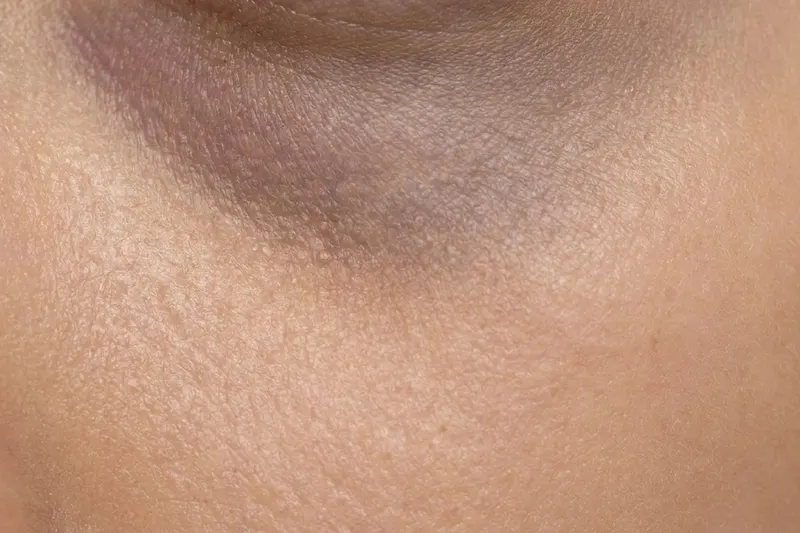
Dark circles are the darker shadow or discoloration under the eyes. They have several possible causes, including pigment, shadows from facial structure, and thin skin that lets the blood vessels beneath show through.

The one thing
Work out whether yours is pigment or shadow with a gentle pull test, then match your approach, brighteners for pigment and lifestyle basics for the rest.
Why it matters
Because dark circles can come from different things, a product aimed at the wrong cause often does nothing, so figuring out your type saves money and frustration. It also sets realistic expectations for what skincare can and cannot change.
Dark circles are the darker shadow or discoloration that shows up under the eyes. They are extremely common and have more than one cause, which is exactly why a single product rarely fixes everyone's. Sometimes it is pigment, sometimes it is shadow, and sometimes it is the skin itself being so thin that what is underneath shows through.
Why it happens
A few different things land under the same name. The skin under your eyes is some of the thinnest on the body, so blood vessels beneath it can show through as a bluish or purple tint, and poor circulation makes that more noticeable. Some dark circles are pigmentation, where extra melanin settles in the area. Others are really shadows cast by your underlying bone structure or by puffiness. Genetics, allergies, and natural changes in the skin over time all feed into it. Here is a quick at-home check: gently stretch the under-eye skin sideways, and if the darkness moves with it, it is more likely pigment than structure.
What tends to help
It depends on the cause, so matching the approach matters. For pigment, gentle brighteners like vitamin C and niacinamide may help fade discoloration over time. Caffeine can temporarily tighten and reduce the look of puffiness and shadowing. Daily sunscreen around the eyes protects against more pigment building up. And the unglamorous basics genuinely move the needle: decent sleep, going easy on salty food and alcohol, and wearing sunglasses. If you reach for an active like a retinoid or an AHA near your eyes, choose one formulated for that delicate zone to avoid stinging.
When to see a professional
Dark circles are usually a cosmetic concern rather than a medical one, but it is worth checking in with a doctor if they appear suddenly, sit on only one side, or come with swelling, since those can point to something else like allergies or another underlying issue. A dermatologist can also help you figure out which type you have and what is realistic to expect.
In your browser
Free Skin Quiz: Understand your skin profile in under 5 minutes
Oily or dry is only the start. Find out what your skin actually needs across six skin dimensions, with a plain note on what each one means for your routine. Results appear in your browser, and you can keep them in the app.