Uneven texture
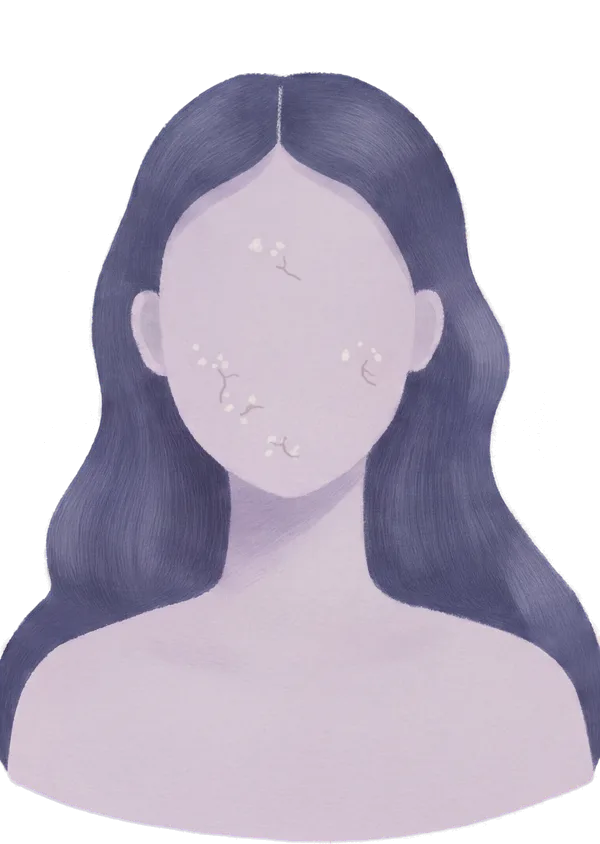
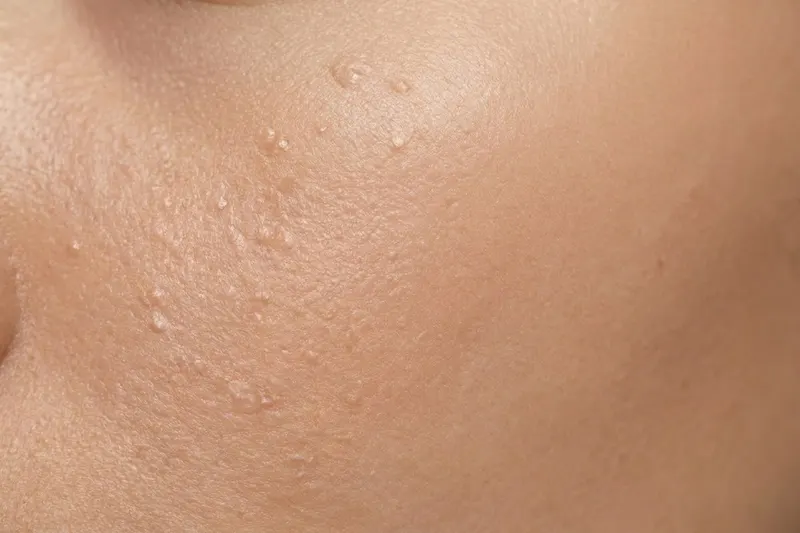
Uneven texture is skin that doesn't feel or look smooth, with small bumps, roughness, or irregularities across the surface. It usually reflects how quickly skin is shedding and replacing its surface cells.
The one thing
Help your skin turn over with a retinoid or an AHA, introduced slowly, to smooth the surface over time.
Why it matters
Texture is mostly a surface story, so encouraging fresh cells to come through and clearing away the old ones tends to make a visible, comfortable difference.
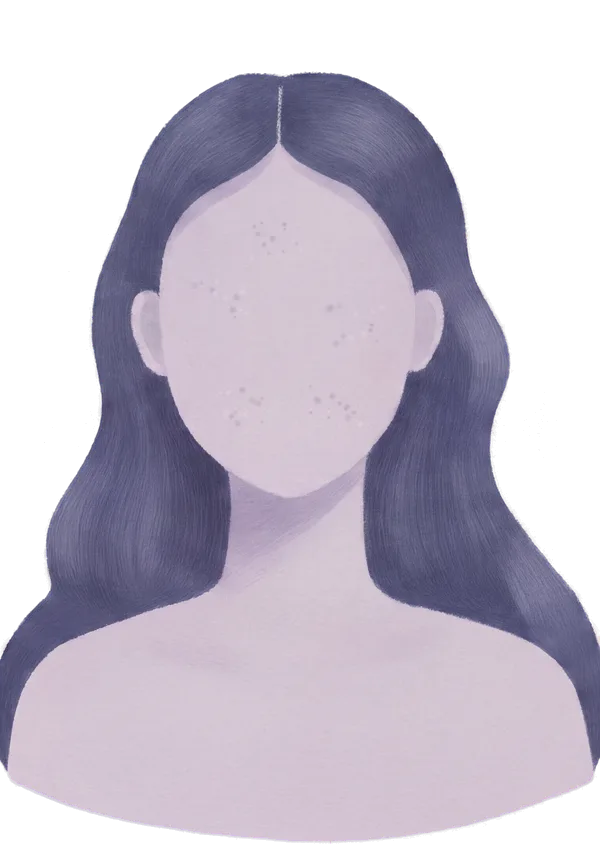
Uneven texture is skin that isn't smooth. Instead of an even surface, you feel small irregularities, little bumps, rough patches, or areas that catch the light differently. A lot of it comes down to the skin cycle: the steady process where old cells on the surface are replaced by newer ones underneath. When that shedding slows or gets uneven, old cells linger and the surface feels less polished.
The goal is to nudge that cycle along so fresh cells can come through, while clearing away the dead ones holding the surface back.
Why it happens
Texture has a few common drivers. Inflamed breakouts or strong acne flares can lead to scarring that changes the surface. Genetics play a role, including inherited conditions such as eczema, psoriasis, and rosacea. Sun exposure over the years can affect the skin's collagen and elastin (the proteins that keep it firm and springy), which can show up as roughness. And plain dryness often reads as flaky, uneven texture, so sometimes the answer is simply more moisture.
What tends to help
Two ingredient families do most of the work, and both ask for patience.
Retinoids, such as retinol or retinal (forms of vitamin A), encourage skin to shed and renew more efficiently. AHAs like glycolic acid exfoliate the outer layer to smooth things on the surface. Bring either one in slowly, a couple of nights a week to start, because both can be drying or a little irritating at first. A useful rule: don't use a retinoid and an AHA on the same night, since together they can overwhelm the skin. If your texture is mostly dryness, a good moisturiser may do more than any acid.
When to see a professional
If the unevenness comes from acne scarring, or you suspect an underlying condition like eczema or rosacea, or things don't improve with gentle, consistent care, a dermatologist can help. Some texture changes respond best to treatments you can only get in a clinic.
In your browser
Free Skin Quiz: Understand your skin profile in under 5 minutes
Oily or dry is only the start. Find out what your skin actually needs across six skin dimensions, with a plain note on what each one means for your routine. Results appear in your browser, and you can keep them in the app.