Journal · Routines & Protocols
7 Best Waterless Skincare Brands to Try in 2026
The best waterless skincare brands worth trying, including Ethique, Everist, and SBTRCT, and how solid formats may deliver higher active concentrations

Maria Otworowska, PhD, Co-founder of Skin Bliss
· 8 min read
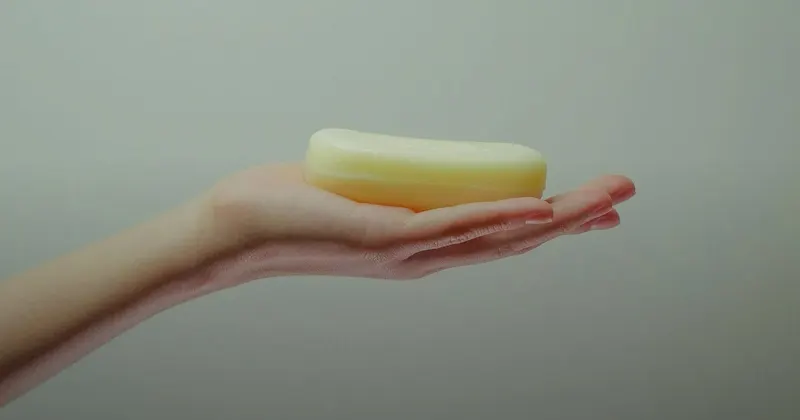
Waterless skincare brands are companies that formulate beauty products without water (aqua) as a base ingredient, instead using concentrated oils, butters, powders, and solid formats that deliver higher active ingredient percentages, require fewer preservatives, and reduce the environmental footprint of conventional liquid-heavy skincare products.
The waterless beauty market has grown past the novelty stage. Valued at $12.7 billion in 2025 and projected to hit $29.2 billion by 2034, it has attracted serious investment from indie startups and legacy beauty conglomerates alike. L'Oreal increased its waterless beauty patents by 121% in 2023. But for you, the person standing in front of a shelf or scrolling through a product page, the question is simpler: which brands actually deliver, and which ones are riding the trend?

Key Takeaways
Which waterless skincare brands have the strongest track record?
Three brands have been doing this long enough to have refined their formulations beyond the novelty stage. Ethique, based in New Zealand, is the pioneer. They have prevented over 20 million plastic bottles from ending up in landfills, and their product line spans solid shampoo bars, facial cleansers, and moisturizers, all formulated without water, synthetic preservatives, or palm oil. Their facial cleanser bars are concentrated enough that one bar replaces roughly three bottles of liquid cleanser.
Everist, a Canadian brand, takes a different approach. Instead of solid bars, they produce ultra-concentrated pastes packaged in recyclable aluminum tubes. Their shampoo and conditioner concentrates are designed so you add water at the moment of use, which keeps the formula stable and preservative-minimal during storage while still giving you the lather and slip you expect from liquid products. SBTRCT, a British brand, focuses specifically on facial skincare in solid bar format. Their range includes cleansers, vitamin C treatments, and solid moisturizers designed for daily use, including formulations for sensitive skin.
What are the best waterless products in each skincare category?
Waterless formulations work better in some product categories than others. Here is an honest assessment of where the format excels and where it still struggles.
Cleansers
Powder-to-foam cleansers are one of the strongest waterless categories. Enzyme-based powders containing proteolytic enzymes like papain or bromelain mimic your skin's natural desquamation process, providing gentle exfoliation without the irritation often caused by acid-based products 1. Research shows enzyme exfoliants have good tolerability with fewer instances of stinging and burning compared to glycolic acid formulations 2. Balm cleansers (solid oils that melt on contact with skin) are excellent for removing makeup and sunscreen through the oil-cleansing method.
Serums and treatments
Solid serum bars and anhydrous oil serums are effective delivery systems for oil-soluble actives like retinol, vitamin E, and squalane. Brands like Dew Mighty produce jelly serum bars packed with botanical antioxidants. Vitamin C powders deserve special mention: L-ascorbic acid is notoriously unstable in water-based serums, oxidizing within weeks of opening. In powder form, it remains stable until you mix it fresh with each application, giving you full-potency vitamin C every time.
Moisturizers
Solid moisturizer bars and balms deliver concentrated barrier-repair ingredients like ceramides, shea butter, and fatty acids. Research confirms that lipid-based formulations containing barrier lipids significantly reduce transepidermal water loss when applied twice daily 3. These products tend to suit dry and mature skin types best. For oily skin, lightweight anhydrous oil serums with non-comedogenic carriers like jojoba or squalane are a better fit.
| Product category | Best waterless format | Skin types suited | Effectiveness vs. conventional |
|---|---|---|---|
| Cleanser | Enzyme powder, balm | All types | Equal or better for gentle exfoliation |
| Serum | Solid bar, oil serum | Dry, normal, mature | Higher concentration of oil-soluble actives |
| Vitamin C | Powder (L-ascorbic acid) | All types | Superior stability and potency |
| Moisturizer | Balm, solid bar | Dry, sensitive, mature | More occlusive; may be too heavy for oily skin |
| Sunscreen | Mineral stick | All types | Limited options; cosmetic elegance is a work in progress |
How do you evaluate whether a waterless brand is worth the price?
Price per ounce is misleading for waterless products. A $28 solid serum bar that looks tiny might last three months because you only need a thin swipe per application. The right comparison is cost per use. Ask three questions before buying. First, does the brand publish its full ingredient list with concentrations or at least percentage ranges? Transparency is a sign of confidence in the formulation. Second, does the product contain the specific actives relevant to your skin concerns, or is it mostly carrier oils and fragrance? A beautifully packaged shea butter bar is just expensive shea butter if that is all it contains.
Third, check whether the brand has any clinical or consumer testing data. Not all waterless brands invest in efficacy testing. The ones that do (SBTRCT, for example, publishes consumer trial results) are generally worth the premium. You can use the Skin Bliss Product Comparison feature to check how waterless products stack up against their conventional equivalents on ingredient quality and skin fit. Remember that "waterless" and "effective" are independent qualities. A waterless product with poor ingredients is worse than a water-based product with excellent ones. The format is an advantage only when the formulation behind it is solid.
What are the limitations of waterless skincare products?
Waterless skincare has real gaps. Sunscreen is the most significant. Achieving the even, thin, cosmetically elegant application that mineral and chemical sunscreens require is much harder without a water or silicone base. Some mineral sunscreen sticks exist, but they tend to leave a visible white cast and are difficult to apply evenly. This is an area where water-based formulations still win. For daily SPF, stick with a conventional sunscreen and reapply every two hours.
Water-soluble actives are another limitation. Niacinamide, hyaluronic acid, most peptides, and many AHAs dissolve in water and do not incorporate easily into anhydrous formulations. If these ingredients are central to your routine, you will still need some water-based products. The practical approach is a hybrid routine: waterless products where they excel (cleansing, oil-soluble treatments, moisturizing) and water-based products where they are necessary (SPF, water-soluble actives). The goal is not to eliminate water from your routine entirely. It is to stop paying for water where you do not need it.
Frequently Asked Questions
Are waterless skincare products better for sensitive skin?
They can be, primarily because they require fewer preservatives. Research shows that some cosmetic preservatives may affect beneficial skin bacteria like Staphylococcus epidermidis 4, though full cosmetic formulations may not significantly impact the skin microbiome in real-world use 5. If preservatives have been a trigger for your skin, waterless options are worth exploring. But sensitivity depends on many factors -- some people react to botanical oils or essential oils commonly found in waterless products.
How do waterless products compare on environmental impact?
The environmental case is strong. Less water in manufacturing, lighter products that cost less to ship, reduced plastic packaging, and longer product lifespan all add up. However, "waterless" does not automatically mean "sustainable." Check the full supply chain: where ingredients are sourced, how they are processed, and what happens to the packaging after use.
Can waterless skincare work in humid climates?
Yes, though product selection matters. In high-humidity environments, lightweight oil serums and powder cleansers are better choices than heavy balms, which can feel occlusive and trap sweat. The humidity actually helps waterless products perform well because humectant ingredients in the formulas can draw moisture from the air more effectively. Adjust your routine seasonally if you live in a climate with significant humidity variation.

In your browser
Free Skin Quiz: Understand your skin profile in under 5 minutes
Oily or dry is only the start. Find out what your skin actually needs across six skin dimensions, with a plain note on what each one means for your routine. Results appear in your browser, and you can keep them in the app.

Maria combines her background in AI research with a passion for evidence-based skincare. She built Skin Bliss to help people make informed decisions about their skin, backed by science rather than marketing.
Sources (5)
- Sarmento B et al. (2021). "An overview of the use of proteolytic enzymes as exfoliating agents." *Journal of Cosmetic Dermatology*.
- Gold MH et al. (2015). "An Evaluation of Efficacy and Tolerability of Novel Enzyme Exfoliation Versus Glycolic Acid in Photodamage Treatment." *Journal of Drugs in Dermatology*.
- Sahle FF et al. (2018). "Reinforcement of barrier function - skin repair formulations to deliver physiological lipids into skin." *International Journal of Cosmetic Science*.
- Loomba K et al. (2023). "Effect of leave-on cosmetic antimicrobial preservatives on healthy skin resident Staphylococcus epidermidis." *Journal of Applied Microbiology*.
- Lundov MD et al. (2021). "In-vivo impact of common cosmetic preservative systems in full formulation on the skin microbiome." *International Journal of Cosmetic Science*.