Eczema
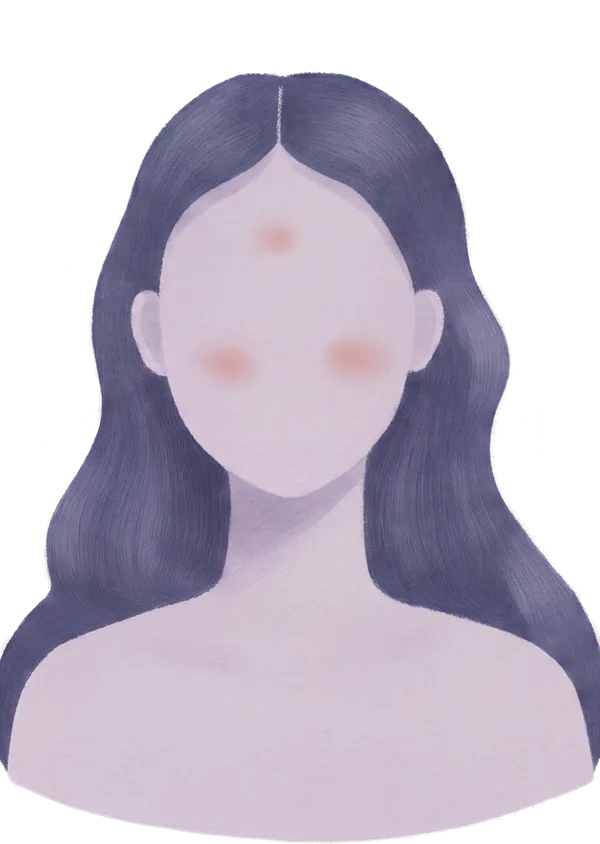
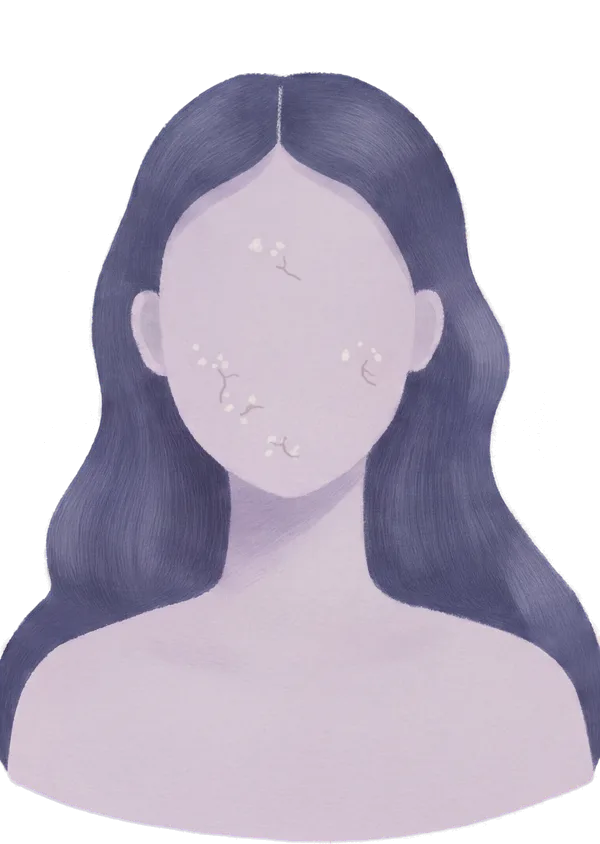
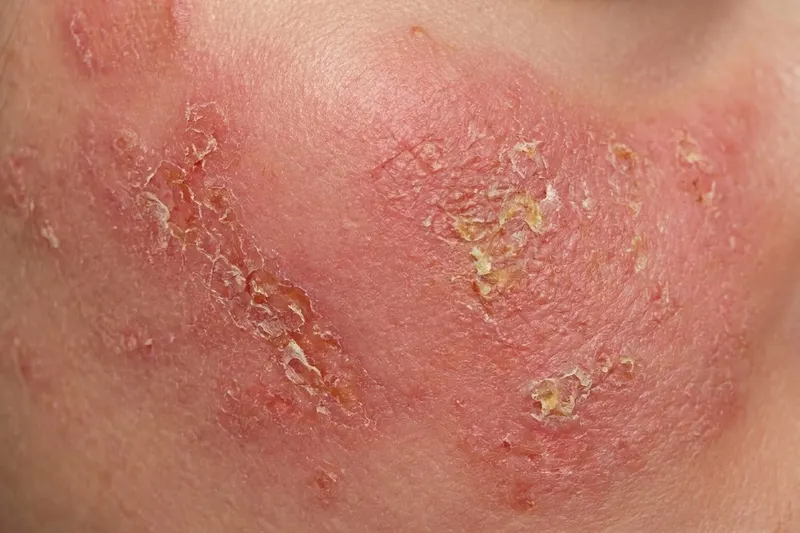
Eczema is a long-term, inflammatory skin condition that shows up as dry, itchy, red, or scaly patches. It can start in childhood and continue or first appear in adulthood, and it is not contagious.
The one thing
Moisturize daily with a gentle, fragrance-free cream, and try not to scratch so the barrier gets a chance to heal.
Why it matters
Eczema usually points to a weakened skin barrier, so how you cleanse and moisturize can make flares better or worse. Knowing your triggers helps you keep skin calmer day to day.
Eczema is a long-term, inflammatory skin condition that shows up as dry, itchy, red, or scaly patches. It is common in kids but can stick around or first appear in adulthood, and it looks different on everyone depending on skin tone and how flared things are. One thing worth saying up front: eczema is not contagious. The "-itis" in dermatitis (the medical name) just means inflammation, not something you can catch.
Why it happens
Eczema is usually a sign of a disrupted skin barrier, the outer layer that keeps moisture in and irritants out. A few things can weaken that barrier or set off a flare. An overactive immune response plays a part, and so does genetics, since some people make less filaggrin, a protein that helps skin hold onto water. Everyday triggers like fragrance, dust mites, or cold, dry weather can tip things over too, and harsh cleansers or over-exfoliation tend to make it worse.
What tends to help
Daily moisturizing is the unglamorous hero here. Gentle, fragrance-free emollients (moisturizers that soften and seal the skin) can calm and hydrate, and ingredients like colloidal oatmeal, chamomile extract, or aloe may soothe itching and redness for some people. Avoiding your personal triggers and easing off the scratching both give the barrier a chance to repair. If you catch yourself scratching out of habit, gently pinching the spot or clenching your fists instead can help break the loop.
When to see a professional
Eczema is a clinical condition, so a dermatologist is your best guide, especially if it is widespread, painful, weepy, or just not settling with gentle care. They can prescribe treatments like topical steroids or other options matched to your skin. Good skincare can support comfort between flares, but it is not a replacement for medical advice.
In your browser
Free Skin Quiz: Understand your skin profile in under 5 minutes
Oily or dry is only the start. Find out what your skin actually needs across six skin dimensions, with a plain note on what each one means for your routine. Results appear in your browser, and you can keep them in the app.