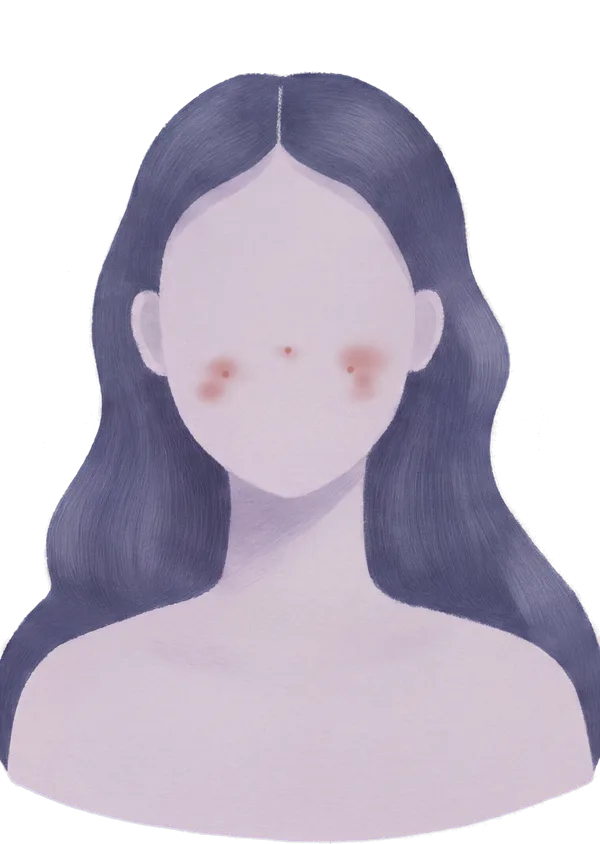
Redness
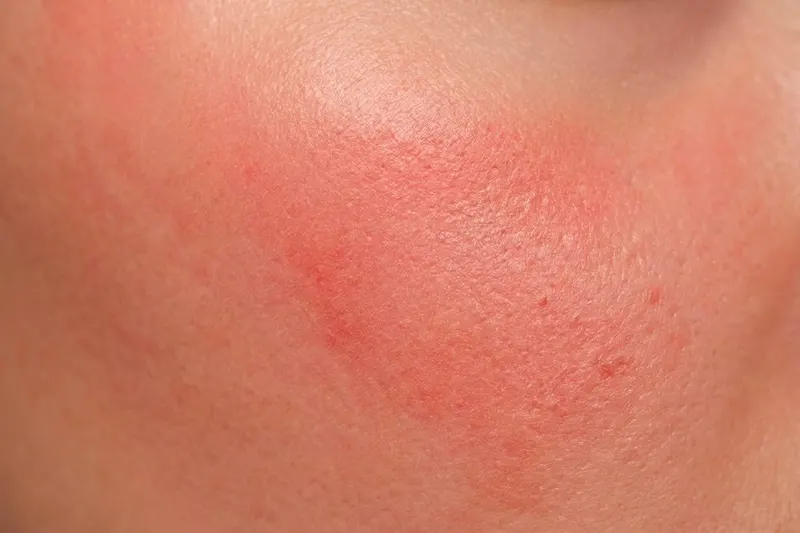
Redness is skin that looks flushed or pink, in patches or across a wider area. It is a symptom rather than a diagnosis, often a temporary reaction to a trigger but sometimes a sign of a condition like rosacea.
The one thing
Ease off harsh products and actives, switch to a gentle fragrance-free routine, and give irritated skin time to calm down.
Why it matters
Redness is your skin telling you something set it off, so reading it can help you back away from the trigger before things get worse. It also helps to know when a flush is harmless and when it is worth a closer look.
Redness is exactly what it sounds like: skin that looks flushed or pink, either in patches or spread across an area. It is a symptom, not a diagnosis, and that distinction matters. Plenty of harmless things cause a temporary flush, and sometimes redness is the sign of an underlying condition like rosacea or eczema.
Why it happens
Most everyday redness is a short-lived reaction. Blood vessels near the surface widen when skin is irritated, hot, or upset, and the extra blood flow shows through. Common culprits are a harsh product, over-exfoliation, sunburn, wind, cold, and heat, often made worse by a damaged skin barrier (the outer layer that holds moisture in and keeps irritants out). Some people also have naturally reactive skin or weak capillaries (tiny surface blood vessels) that flush easily and stay visible.
What tends to help
Calm beats correct here. Easing off actives and switching to a gentle, fragrance-free routine gives irritated skin a chance to settle. Barrier-supporting ingredients like ceramides, glycerin, and hyaluronic acid can help, and soothing extracts such as chamomile, centella, or oat may take the edge off. Daily SPF matters too, since sun is a frequent trigger. If a specific product made things flare, stopping it is usually the fastest fix.
When to see a professional
Redness that keeps coming back, spreads, comes with bumps or visible vessels, or just will not calm down with gentle care is worth getting checked. A dermatologist can tell whether it is simple irritation or a named condition like rosacea that needs its own approach.
In your browser
Free Skin Quiz: Understand your skin profile in under 5 minutes
Oily or dry is only the start. Find out what your skin actually needs across six skin dimensions, with a plain note on what each one means for your routine. Results appear in your browser, and you can keep them in the app.