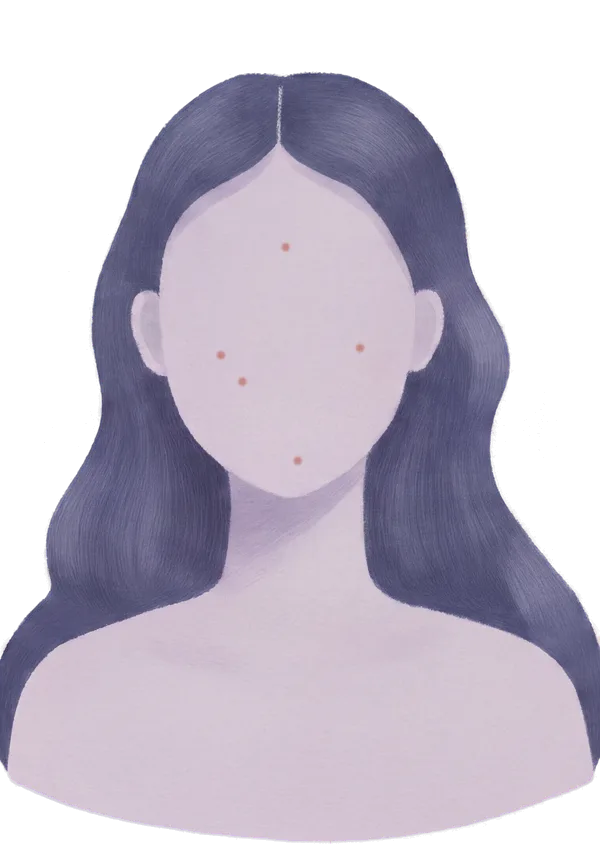
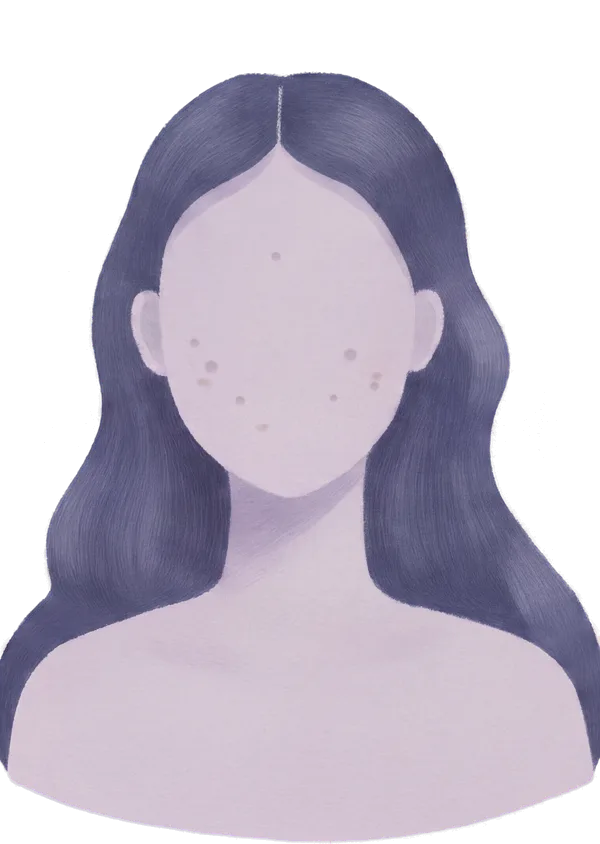
Hormonal & cyclical breakouts
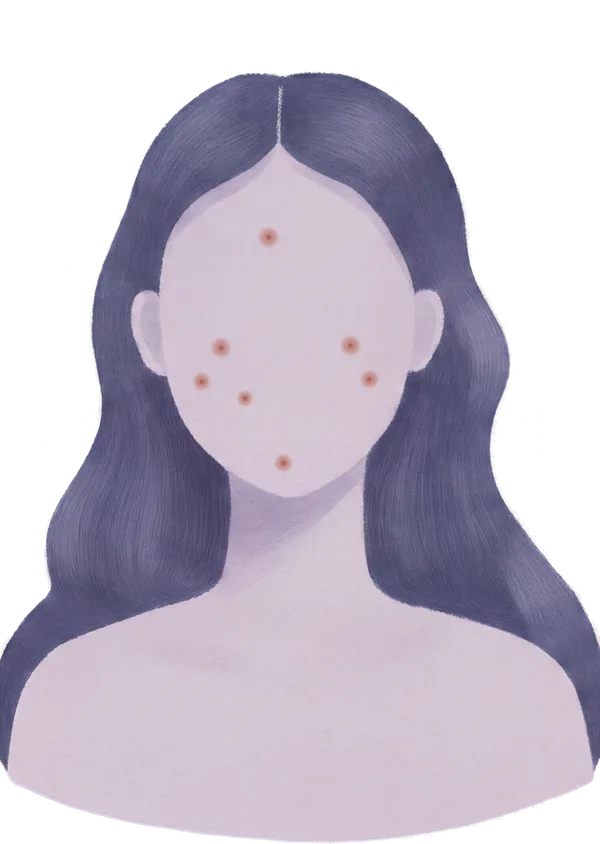
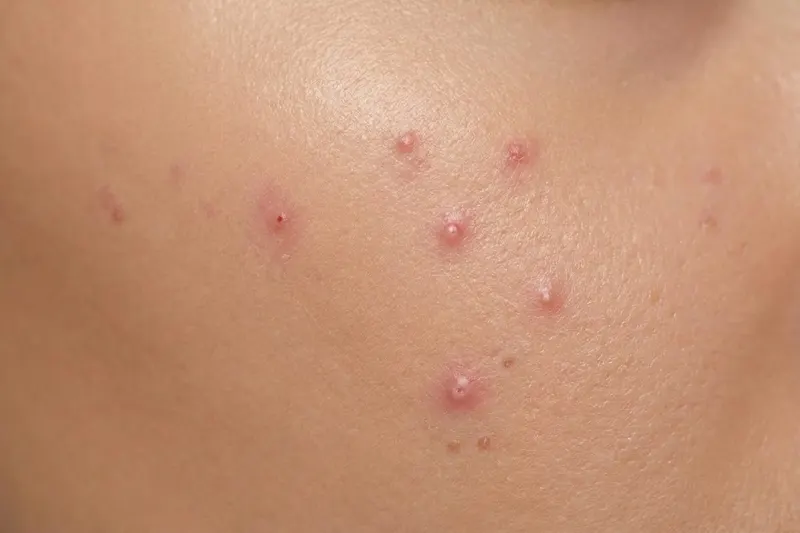
Hormonal acne is acne that flares in step with shifts in your hormones, often in a predictable pattern around your menstrual cycle. It usually shows up as deeper, sometimes tender bumps, often along the lower face and jaw.
The one thing
Track your breakouts against your cycle for a couple of months. A clear monthly rhythm is your biggest clue that hormones are involved.
Why it matters
If you break out around the same time every month, hormones are probably part of the picture, and that's useful to know. Spotting the pattern makes it much easier to plan around and to know what's worth trying.
Most acne is linked to hormones in some way, since hormones help control how much oil your skin makes. But "hormonal acne" usually means breakouts that follow a pattern you can almost set a calendar by, flaring at the same point each month.
The usual suspect is the luteal phase, the stretch from roughly day 15 to the start of your period. During this window progesterone dominates, while oestrogen sits lower than its mid-cycle peak. That shift tends to nudge your skin into making more sebum, the oily substance in your glands, and extra oil gives pores more chance to clog and break out.
How to tell if yours is hormonal
The pattern is the giveaway. If you notice a breakout or a flare-up around the same time each month, especially in the lead-up to your period, hormones are likely playing a role. Cyclical breakouts often turn up on the lower third of the face, around the chin and jaw, though that isn't a hard rule.
It's worth saying that excess oil drives all kinds of acne, not only the hormonal kind, so a single spot here and there doesn't mean much. It's the timing that matters.
What tends to help
You can treat the breakouts themselves the way you would any acne: gentle cleansing, and an active like a BHA or azelaic acid to keep pores clear and calm inflammation. Logging your skin alongside your cycle helps too, because once you can see a flare coming you can be a bit gentler with your skin in that window. The Skin Bliss Skin Diary is built for exactly this kind of pattern-spotting.
If your breakouts are deep, sore, or stubborn, hormonal acne is one of the types that often responds well to prescription options, so it's a reasonable thing to raise with a professional.
When to see a professional
Persistent or painful cyclical acne that doesn't settle with a steady routine is worth a conversation with a dermatologist or doctor. There are treatments aimed specifically at the hormonal side of acne, and a professional can talk you through whether any of them fit your situation.
In your browser
Free Skin Quiz: Understand your skin profile in under 5 minutes
Oily or dry is only the start. Find out what your skin actually needs across six skin dimensions, with a plain note on what each one means for your routine. Results appear in your browser, and you can keep them in the app.