Acne scars
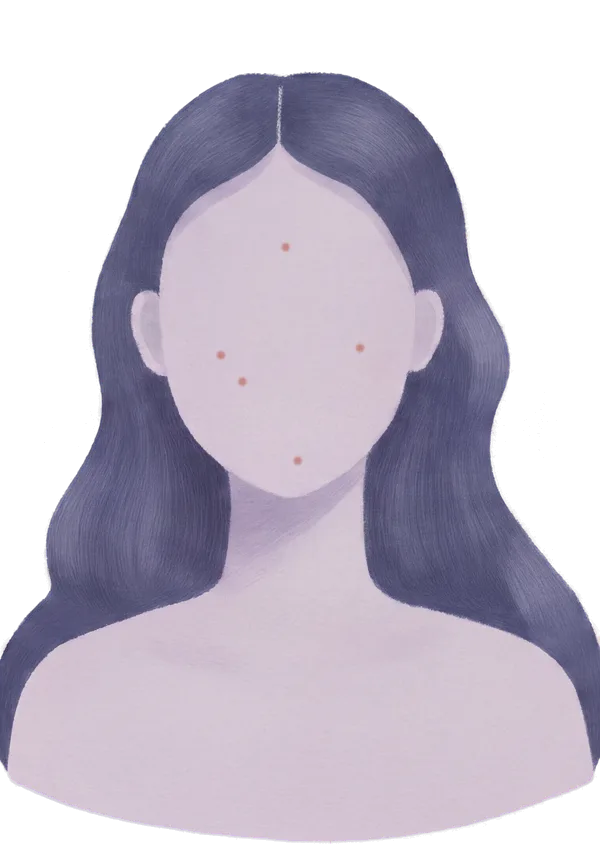
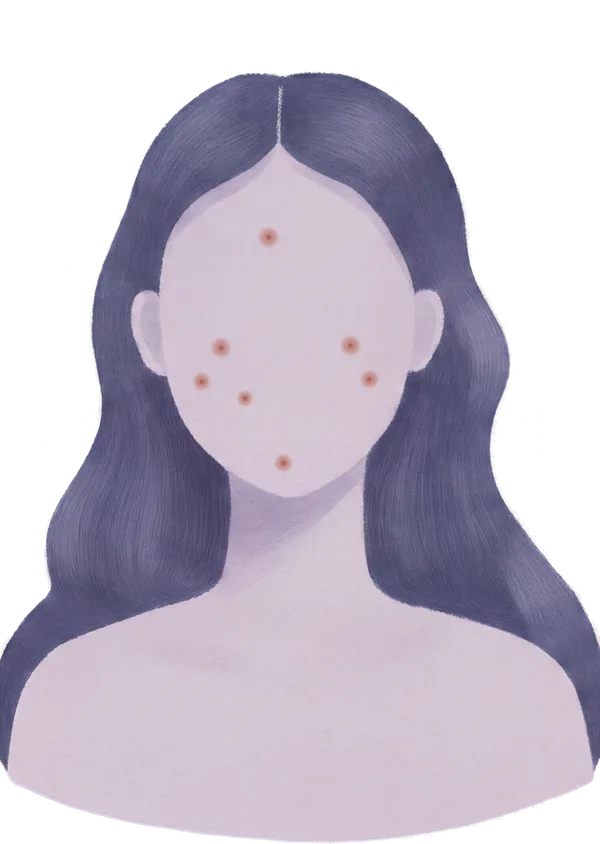
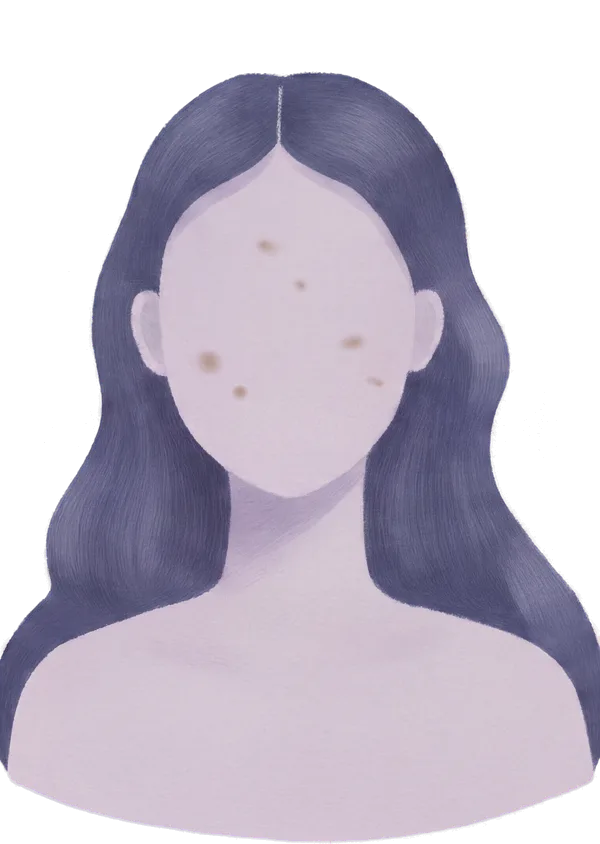
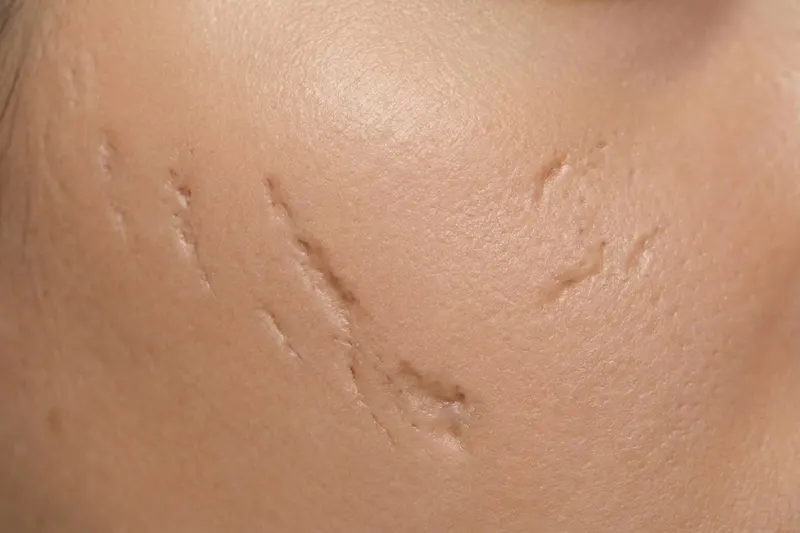
Acne scars are lasting changes in the skin left behind after acne, especially after inflamed or severe breakouts. They come in two broad kinds: changes in colour (dark or pink marks) and changes in texture (small dents or, less often, raised areas).
The one thing
Treat inflamed breakouts gently and promptly, and resist picking. The less inflammation now, the less scarring you're likely to deal with later.
Why it matters
Scarring is mostly driven by inflammation, so calming active acne early can lower the chance of marks later. It also helps to know that true textured scars usually need more than skincare, so you can set realistic expectations.
Not every mark from a breakout is a scar. It helps to separate two things people lump together.
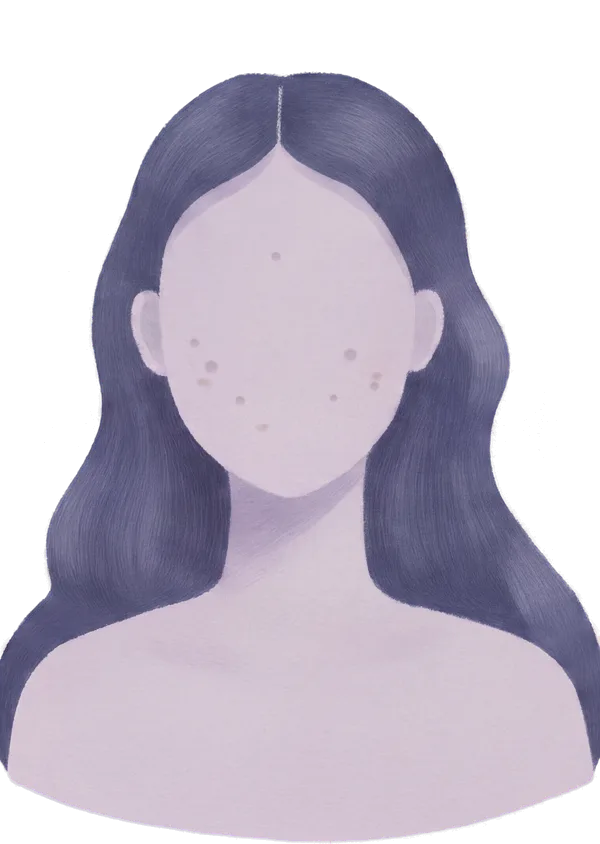
The first is colour. After a spot clears, it can leave a flat patch that's darker or pinkish-red. This kind of mark sits at the surface and tends to fade on its own over weeks to months, though that can feel slow. The second is texture, where the skin's structure itself has changed. The most common are atrophic scars, the small indents sometimes called ice-pick or boxcar scars. Less often, acne leaves a raised, thicker scar instead.
Why it happens
Inflammation is the main driver. The more inflamed a breakout gets, the more likely it is to leave something behind. When inflammation runs deep, it can damage collagen, the scaffolding that keeps skin smooth, and that loss is what creates the little dents of atrophic scarring. Inflammation can also stir up the pigment-making cells in your skin, which is what leaves those darker marks afterwards.
What tends to help
For the colour side, the same ingredients that help with general dark marks can be useful over time: things like azelaic acid, vitamin C, kojic acid, and niacinamide, which work nicely alongside the others. Vitamin A (a retinoid) is a bit of a multitasker here, since it can support collagen and help even out pigment, but it needs daily SPF and a slow introduction because it can be irritating at first.
Textured scars, the actual dents and raised areas, are hard to shift with skincare alone. Topical products can soften their appearance a little and improve overall skin quality, but they can't refill a true indent.
When to see a professional
For textured scarring, a dermatologist has tools that skincare can't match, including things like laser treatment, chemical peels, and microneedling, sometimes paired with prescription creams. If your scars bother you, it's worth booking a consultation to talk through which approach suits your skin and scar type. Going in earlier, while acne is still active, can also help limit new scarring from forming.
In your browser
Free Skin Quiz: Understand your skin profile in under 5 minutes
Oily or dry is only the start. Find out what your skin actually needs across six skin dimensions, with a plain note on what each one means for your routine. Results appear in your browser, and you can keep them in the app.