Rosacea
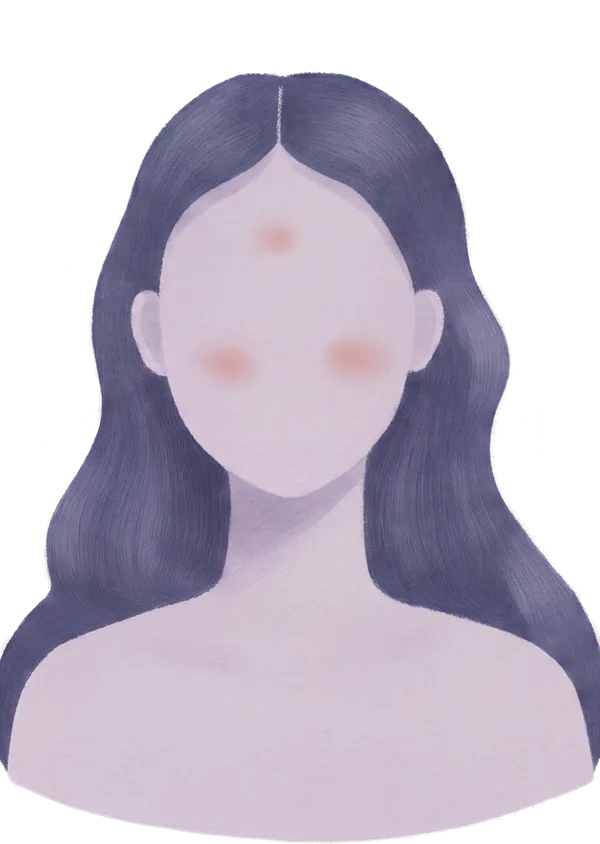
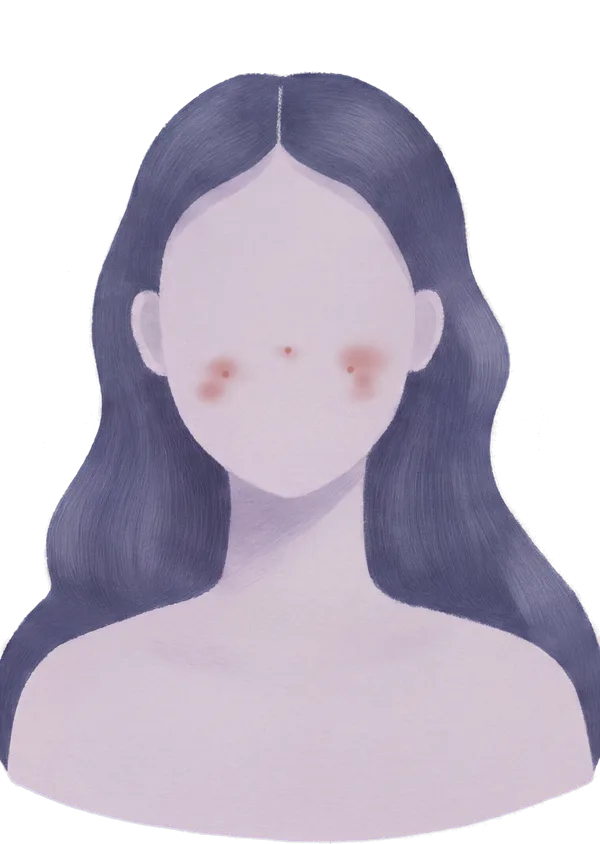
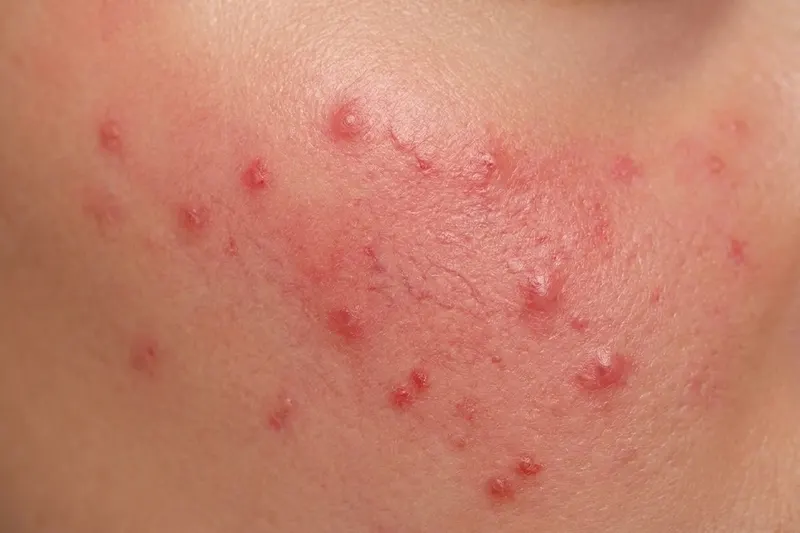
Rosacea is a long-term skin condition marked by persistent facial redness, easy flushing, and visible blood vessels, sometimes with small bumps and a burning feeling. Its exact cause is still not fully understood.
The one thing
Keep your routine simple and fragrance-free, wear sunscreen daily, and track what seems to set off your flushing.
Why it matters
Rosacea-prone skin tends to react to a lot of everyday things, so the wrong product or habit can trigger a flare. Knowing your triggers and keeping your routine gentle makes day-to-day life with it much easier.
Rosacea is a named skin condition rather than a one-off flush. It usually shows up on the central face as persistent redness, easy flushing, and visible blood vessels, and for some people it comes with small red or pus-filled bumps and a burning or stinging feeling. It can be temporary or stick around long-term, and its exact cause is still not fully understood. It is more common in people with fair skin, though anyone can get it.
Why it happens
The root cause is not pinned down, but rosacea seems to involve blood vessels that react and widen too readily, along with inflammation. What is clearer is what sets it off. Common triggers include heat, sun, spicy food, alcohol, stress, hot drinks, and harsh skincare, and they vary a lot from person to person. Learning your own triggers is half the battle.
What tends to help
Gentle and consistent is the goal. A simple, fragrance-free routine that supports the skin barrier (the outer layer that keeps moisture in and irritants out) tends to be better tolerated than a long list of actives. Daily sunscreen is one of the most useful habits, since sun is such a frequent trigger. Some ingredients, like azelaic acid or hypochlorous acid, are often suggested for calming rosacea-prone skin, but it helps to introduce anything new slowly. Tracking flares against possible triggers, in something like the Skin Bliss Skin Diary, can help you spot your personal patterns.
When to see a professional
Rosacea is a clinical condition, so a dermatologist is the right person to confirm it and guide treatment. Prescription options can make a real difference, especially for bumps or stubborn redness, and a proper diagnosis means you are not guessing. See someone if your symptoms are persistent, getting worse, or affecting your eyes.
In your browser
Free Skin Quiz: Understand your skin profile in under 5 minutes
Oily or dry is only the start. Find out what your skin actually needs across six skin dimensions, with a plain note on what each one means for your routine. Results appear in your browser, and you can keep them in the app.