Journal · Ingredients & Science
4 Mushroom Skincare Ingredients: Which Is Best for You?
Reishi, tremella, shiitake, and cordyceps compared: which mushroom skincare ingredient may best match your hydration, calming, or brightening goals

Maria Otworowska, PhD, Co-founder of Skin Bliss
· 10 min read
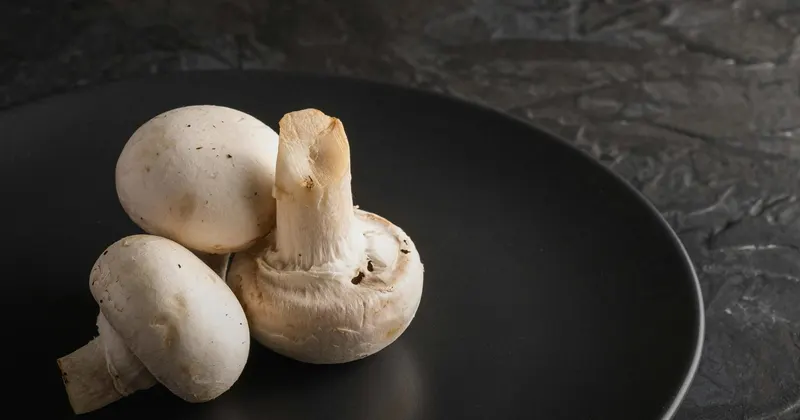
Mushroom skincare ingredients are bioactive compounds extracted from medicinal fungi, including reishi (Ganoderma lucidum), tremella (Tremella fuciformis), shiitake (Lentinula edodes), and cordyceps (Ophiocordyceps sinensis), that deliver targeted skin benefits ranging from deep hydration and barrier repair to brightening, anti-aging support, and antioxidant protection.
Not every mushroom does the same thing for your skin. That is the part most brands gloss over. Reishi calms inflammation. Tremella hydrates. Shiitake targets dark spots. Cordyceps supports firmness. Knowing which one matches your concern saves you from buying a "multi-mushroom" serum when you really just need one species doing one job well.
Key Takeaways
What makes mushrooms effective in skincare?
Mushrooms produce bioactive compounds as part of their natural defense systems. When extracted and formulated for topical use, these compounds interact with skin in measurable ways. The main players are beta-glucans (polysaccharides that hydrate and strengthen your skin barrier), triterpenoids (anti-inflammatory compounds concentrated in reishi), and ergothioneine (a potent antioxidant that skin cells actively absorb through dedicated transporters) 56.
Beta-glucans from mushroom sources have been shown to enhance wound repair by increasing macrophage activity, stimulating collagen deposition, and supporting re-epithelialization 7. Ergothioneine is worth particular attention. Your skin cells actually synthesize a specific receptor to pull this molecule in, which boosts antioxidant capacity and reduces UV-induced DNA, protein, and lipid damage 5. It is one of the few antioxidants your body prioritizes accumulating.
The combination of these compound classes is why mushroom extracts tend to be well tolerated across skin types. They address multiple pathways, hydration, inflammation, oxidative stress, without the irritation profile of stronger actives like retinoids or high-concentration acids.
Which mushroom is best for sensitive or inflamed skin?
Reishi. If your skin runs reactive, red, or easily irritated, Ganoderma lucidum is the mushroom to focus on. Its triterpenoids, especially ganoderic acids, suppress pro-inflammatory cytokines and reduce oxidative stress at the cellular level 1. A 2020 study found that reishi extracts protected keratinocytes from free-radical damage while promoting re-epithelialization 8.
Reishi also shows promise for oil regulation. Its triterpenoid compounds have demonstrated tyrosinase inhibition with an IC50 value of 0.32 mg/ml, which means it may help with both redness and uneven tone in oily, reactive skin 9. The anti-inflammatory mechanism works through suppression of NF-kB signaling, the same pathway targeted by pharmaceutical anti-inflammatories, but in a gentler, topical format.
For practical use, look for reishi in serums or essences applied after cleansing. It pairs well with ceramide-based moisturizers to support the barrier from both sides: reishi calms the inflammation while ceramides rebuild the lipid structure.
Which mushroom is best for dry or dehydrated skin?
Tremella fuciformis, the snow mushroom. Its polysaccharides form a flexible hydration film on skin that holds moisture without feeling heavy or occlusive. Studies confirm that tremella polysaccharides provide moisture retention comparable to sodium hyaluronate, the gold standard hydrator 210. One reason tremella works so well is particle size. Its polysaccharide chains are smaller than typical hyaluronic acid molecules, which may allow for more even distribution across the skin surface.
Tremella also protects against UV-induced photodamage. Research published in 2021 showed that tremella polysaccharides activated the Nrf2/Keap1 antioxidant pathway in human dermal fibroblasts, reducing UVA damage 11. So you get hydration and photoprotection from one ingredient.
Sensitive skin types can use tremella confidently. It has a low irritation profile and works across all skin types. For dry skin, use it as an essence or hydrating serum underneath your moisturizer. For dehydrated-but-oily skin, it provides water-based hydration without adding oil.
Which mushroom is best for dark spots and uneven tone?
Shiitake. Lentinula edodes naturally produces kojic acid, one of the most studied tyrosinase inhibitors in dermatology. Tyrosinase is the enzyme that drives melanin production, and blocking it is the primary mechanism behind most brightening ingredients 3. A clinical study comparing a kojic acid formulation to 4% hydroquinone found comparable skin lightening results over 12 weeks 12.
Beyond kojic acid, shiitake contains lentinan, a beta-glucan polysaccharide with antioxidant properties that may help protect keratinocytes from oxidative stress caused by environmental pollutants 13. This dual action, reducing melanin production while protecting against the oxidative triggers that cause pigmentation, makes shiitake a practical choice for post-inflammatory hyperpigmentation (the dark marks left after breakouts).
One caution: raw or undercooked shiitake can occasionally cause a skin reaction called shiitake dermatitis in people who eat it 14. This is not a concern with topical cosmetic extracts, which use processed, purified forms. Still, patch-test any new product, especially if you have reactive skin.
Which mushroom is best for aging or firmness concerns?
Cordyceps. Research on Ophiocordyceps sinensis and the related Cordyceps militaris shows meaningful effects on collagen synthesis and skin cell energy. A study on nanoencapsulated cordyceps extract found that treated human dermal fibroblasts increased skin regeneration activity 2.76-fold, with improved collagen and elastin synthesis under both normal and oxidative stress conditions 4.
The mechanism is partly driven by cordycepin, an adenosine analogue unique to cordyceps. A clinical trial using cordyceps extract at just 0.0006% concentration showed a 68% increase in ATP production in skin cells and a 28% reduction in wrinkles 15. ATP is the energy currency of your cells. When fibroblasts have more energy, they produce more collagen and elastin. It is a straightforward relationship.
Cordyceps also activates sirtuin pathways and NAD+ synthesis, both associated with cellular longevity 15. For best results, pair cordyceps-based products with SPF during the day and a retinoid at night if your skin tolerates it. The anti-inflammatory properties of cordyceps may help buffer some retinoid irritation.
How do the four mushrooms compare head to head?
| Factor | Reishi | Tremella | Shiitake | Cordyceps |
|---|---|---|---|---|
| Primary benefit | Anti-inflammatory, calming | Hydration, barrier support | Brightening, even tone | Firmness, anti-aging |
| Key compounds | Ganoderic acids, beta-glucans | Polysaccharides (glucuronoxylomannan) | Kojic acid, lentinan | Cordycepin, polysaccharides |
| Best for | Sensitive, reactive, oily skin | Dry, dehydrated, all types | Hyperpigmentation, dull skin | Mature, fatigued skin |
| Evidence strength | Strong (anti-inflammatory) | Moderate (hydration comparisons) | Strong (kojic acid is well-studied) | Growing (promising clinical data) |
| Irritation risk | Very low | Very low | Low (patch test if reactive) | Very low |
| Pairs well with | Ceramides, niacinamide | Hyaluronic acid, peptides | Vitamin C, AHAs | Retinoids, peptides |
This is not an exhaustive list. Chaga, lion's mane, turkey tail, and maitake are all being studied for skin applications 16. But reishi, tremella, shiitake, and cordyceps have the strongest evidence base for topical use right now.
Can you use multiple mushroom extracts together?
Yes. Mushroom extracts are generally compatible with each other and with mainstream actives. A tremella serum layered under a reishi-infused moisturizer, for example, addresses both hydration and inflammation without any ingredient conflicts. Multi-mushroom formulations are also common and well-tolerated.
The Skin Bliss Ingredient Compatibility Checker can help you verify that your mushroom products play nicely with the rest of your routine, especially if you use actives like vitamin C, retinoids, or exfoliating acids. Mushroom extracts are unlikely to cause issues, but checking interactions with everything else in your lineup is still good practice.
One practical tip: if you are new to mushroom skincare, start with the species that matches your top concern. Give it 4 to 6 weeks before layering in a second. This way you can actually tell what is working.
Frequently asked questions
What is the best mushroom for anti-aging skincare?
Cordyceps has the strongest evidence for anti-aging. A clinical trial showed cordyceps extract increased skin cell ATP production by 68% and reduced wrinkles by 28% 15. Reishi is a close second for its antioxidant and anti-inflammatory properties, which address two major drivers of premature aging.
Are mushroom skincare products safe for sensitive skin?
Most mushroom extracts have a low irritation profile. Tremella and reishi are particularly well suited for sensitive skin. Tremella provides hydration without common irritants, and reishi actively reduces inflammation 12. As with any new product, do a patch test on your inner arm before applying to your face.
Do mushroom skincare ingredients actually penetrate the skin?
The bioactive compounds in mushroom extracts, such as ergothioneine and small polysaccharide fragments, can reach living skin layers. Ergothioneine in particular is actively transported into skin cells via a dedicated receptor 5. Larger polysaccharides tend to work on the surface, forming a hydration film, which is still beneficial for barrier support.
How long does it take to see results from mushroom skincare?
Hydration benefits from tremella can be noticeable within days. Anti-inflammatory effects from reishi typically show within 2 to 4 weeks. Brightening results from shiitake (via kojic acid) and anti-aging benefits from cordyceps generally require 6 to 12 weeks of consistent use, similar to timelines for other active ingredients.
Can I use mushroom skincare with retinol or vitamin C?
Yes. Mushroom extracts are compatible with both retinoids and vitamin C. Reishi and cordyceps may actually help reduce retinoid irritation due to their anti-inflammatory properties 14. Shiitake pairs well with vitamin C for a combined brightening effect. Apply water-based mushroom serums before heavier treatments.
In your browser
Free Skin Quiz: Understand your skin profile in under 5 minutes
Oily or dry is only the start. Find out what your skin actually needs across six skin dimensions, with a plain note on what each one means for your routine. Results appear in your browser, and you can keep them in the app.

Maria combines her background in AI research with a passion for evidence-based skincare. She built Skin Bliss to help people make informed decisions about their skin, backed by science rather than marketing.
Sources (16)
- Taofiq O et al. (2019). "Preventive and Therapeutic Effect of Ganoderma (Lingzhi) on Skin Diseases and Care." *Advances in Experimental Medicine and Biology*.
- Wen L et al. (2023). "The potential cutaneous benefits of Tremella fuciformis." *Journal of Cosmetic Dermatology*.
- Saeedi M et al. (2019). "Kojic acid applications in cosmetic and pharmaceutical preparations." *Biomedicine & Pharmacotherapy*.
- Kim S et al. (2023). "Nanoencapsulated cordyceps extract enhances collagen synthesis and skin cell regeneration through antioxidation and autophagy." *Scientific Reports*.
- Markova NG et al. (2009). "Skin cells and tissue are capable of using L-ergothioneine as an integral component of their antioxidant defense system." *Free Radical Biology and Medicine*.
- Du B et al. (2018). "Exploring the Properties and Application Potential of beta-Glucan in Skin Care." *Molecules*.
- Vetvicka V et al. (2018). "Beta-Glucans: Multi-Functional Modulator of Wound Healing." *Biomolecules*.
- Hu Z et al. (2020). "Ganoderma lucidum Ethanol Extracts Enhance Re-Epithelialization and Prevent Keratinocytes from Free-Radical Injury." *Cells*.
- Yan YM et al. (2008). "Effects on tyrosinase activity by the extracts of Ganoderma lucidum and related mushrooms." *International Journal of Medicinal Mushrooms*.
- Wang X et al. (2014). "Carboxymethylation of polysaccharides from Tremella fuciformis for antioxidant and moisture-preserving activities." *International Journal of Biological Macromolecules*.
- Li M et al. (2021). "Tremella fuciformis polysaccharides inhibit UVA-induced photodamage of human dermal fibroblast cells by activating up-regulating Nrf2/Keap1 pathways." *Journal of Functional Foods*.
- Deo KS et al. (2013). "Kojic Acid vis-a-vis its combinations with hydroquinone and clobetasol propionate." *Indian Journal of Dermatology*.
- Bai Y et al. (2019). "Lentinan inhibits oxidative stress and inflammatory cytokine production induced by benzo(a)pyrene in human keratinocytes." *Molecular Medicine Reports*.
- Czarnecka AB et al. (2017). "Clinical features of shiitake dermatitis: a systematic review." *International Journal of Dermatology*.
- Caprodossi S et al. (2024). "NAD-Driven Sirtuin Activation by Cordyceps sinensis Extract: Exploring the Adaptogenic Potential to Promote Skin Longevity." *Nutrients*.
- Singh P et al. (2025). "Mushrooms in modern cosmetics: unlocking anti-aging, antioxidant, and therapeutic potential." *Mycologia*.