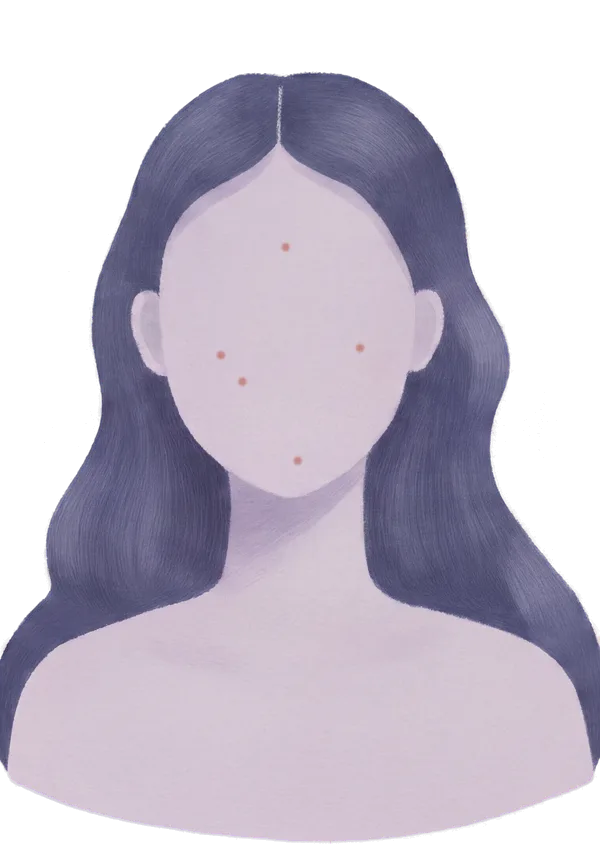
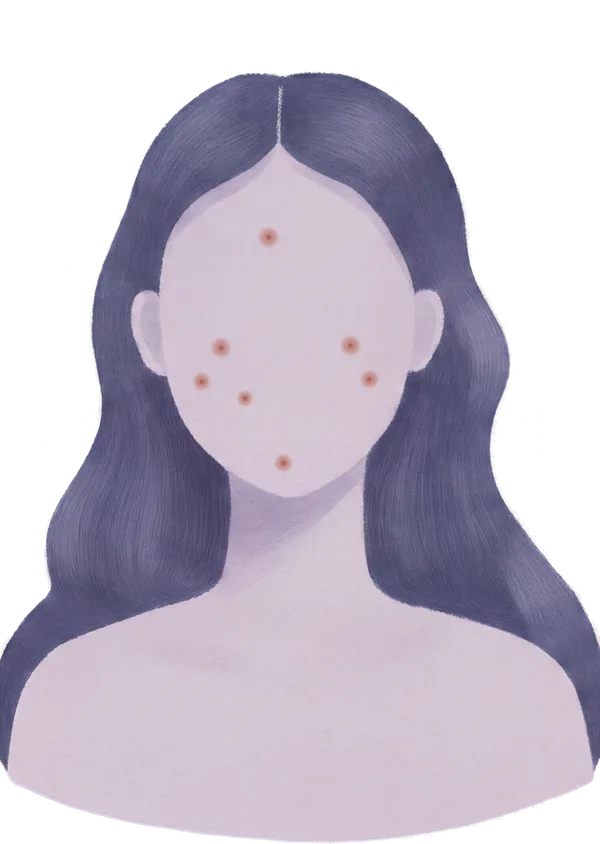
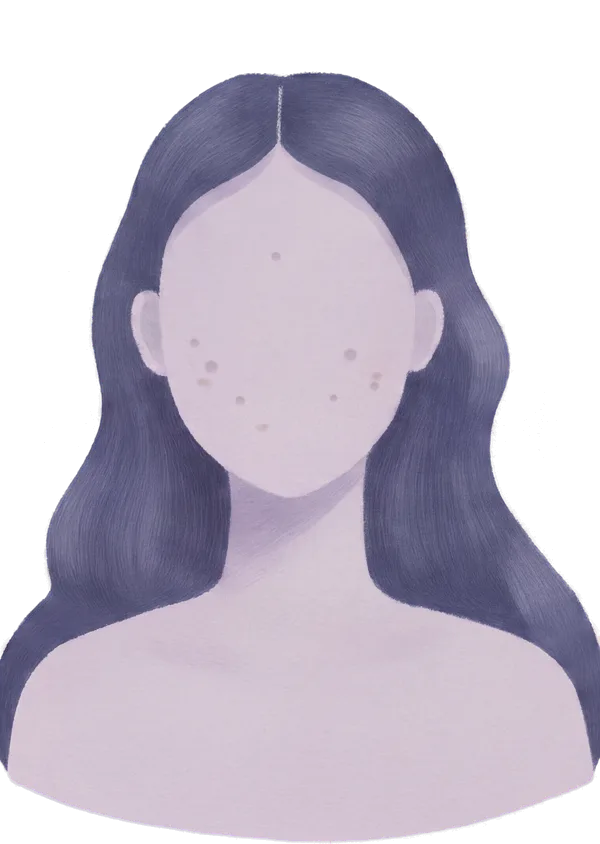
Skin & mental health
Skin conditions and how you feel are closely connected. Visible concerns like acne can affect mood, confidence, and self-image, and that emotional side is a real and valid part of the experience, not something to brush off.
The one thing
Be as kind to yourself as you'd be to a friend going through the same thing. Your worth was never about your skin.
Why it matters
How your skin makes you feel matters just as much as how it looks. Naming that link can take some of the pressure off and remind you that struggling with it is normal, not a sign you're being dramatic.
If you've ever caught your reflection and felt your mood drop before you'd even had coffee, you already know what this guide is about. Skin and feelings are tangled together. People living with visible concerns like acne are more likely to deal with anxiety or low mood, and that's not weakness or vanity. It's a normal human response to something that's hard.
Acne in particular is genuinely common, far more common than the carefully edited faces online would have you believe. So if it's weighing on you, please know you're not the only one, not by a long way.
Signs it's affecting more than your skin
Sometimes the emotional weight shows up in small habits. A few things to gently notice in yourself:
- Avoiding eye contact, ducking your head, or hiding behind your hair
- Checking the mirror constantly, or avoiding it altogether
- Leaning hard on makeup or clothes to cover up
- Skipping things you'd otherwise enjoy because of how your skin looks that day
None of these mean anything is wrong with you. They're just signals that the stress might deserve some care of its own.
What can help
There's no tidy fix, and anyone promising one isn't being straight with you. But a few things tend to soften the load:
- Talk to someone. Saying it out loud, to a friend or a professional, takes away some of its power.
- Shift the focus where you can. Try listing things you like about yourself that have nothing to do with how you look.
- Curate what you scroll. Following people who show real, unfiltered skin can genuinely change how you feel about your own.
- Let your routine be a small kindness, not a chore. If skincare has started to feel like pressure, simplifying it helps. The Skin Bliss Skin Diary can also be a quiet way to notice that things are slowly improving, even on days it doesn't feel like it.
One more thing on the all-or-nothing trap: aiming for progress instead of perfection isn't settling. Skin that's better but not "perfect" is still a real win, and you're allowed to feel good about it.
When to reach out for more support
If low mood, anxiety, or distress about your skin is starting to shape your daily life, please treat that as worth proper support, the same as you would any other health concern. A doctor or mental health professional can help, and they've heard it before. If you ever feel like you're in crisis, contact a local crisis or support line straight away. Your wellbeing comes first, well before any breakout.
In your browser
Free Skin Quiz: Understand your skin profile in under 5 minutes
Oily or dry is only the start. Find out what your skin actually needs across six skin dimensions, with a plain note on what each one means for your routine. Results appear in your browser, and you can keep them in the app.